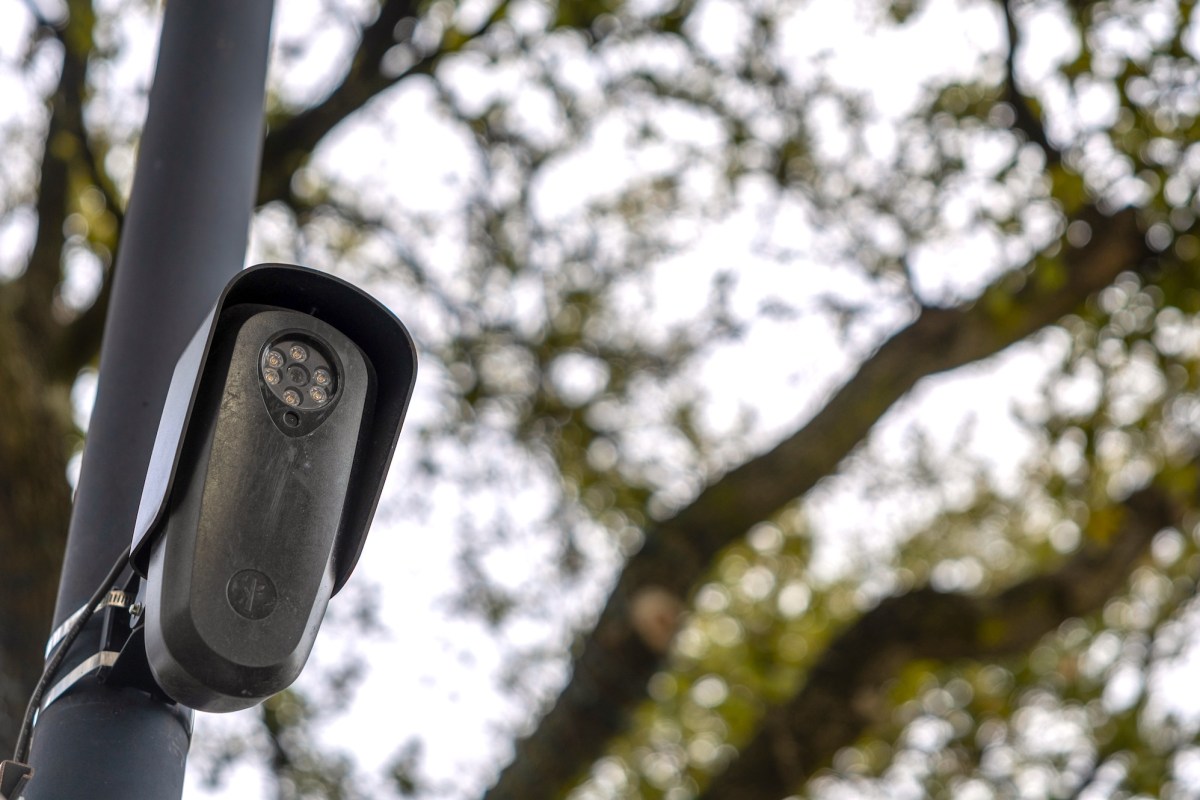

A Los Angeles, la polizia locale sta tirando i guanti a un colosso della sorveglianza come Flock Safety. Il Dipartimento di Polizia (LAPD) ha deciso di non rinnovare il suo contratto triennale con questa azienda che nutre migliaia di telecamere per tracciare veicoli leggendo targhe in tutto lo Stato. La ragione? Non è un problema tecnico, ma ‘serie preoccupazioni’ relative alle libertà civili e alla privacy. Il Dipartimento ha voluto prendere le distanze dai dati raccolti, sottolineando che la raccolta massiccia di informazioni solleva questioni etiche e legali fondamentali. Questo passo non è isolato: diverse grandi città americane, tra cui Mountain View e South Portland, hanno seguito l’esempio, motivandosi anche con il timore che le telecamere potessero essere utilizzate per monitorare immigrati in violazione delle leggi locali di ‘sanctuary city’. I problemi vanno oltre la mera privacy; i servizi di Flock sono stati oggetto di critiche feroci riguardo a errori tecnici e insicurezze, come casi documentati in cui autisti sono stati fermati o bloccati dal personale di polizia per ‘falsi positivi’ nei lettori di targhe. Inoltre, sono emerse gravi falle di sicurezza: l’azienda ha subito scandali che hanno permesso la visione pubblica delle telecamere e si è anche scoperto che enti federali potrebbero aver usato credenziali senza autorizzazione. Di fronte a tutto questo, il LAPD sta cercando una nuova formulazione contrattuale più stringente per affrontare i problemi di stoccaggio dati e privacy. La mossa manda in allarme Flock Safety, che ha ammirato l’annuncio come una ‘sorpresa’, ma pare sia consapevole di doversi confrontare con un clima di crescente scetticismo pubblico e istituzionale riguardo alla totale sorveglianza.
🇬🇧 Summary in English
Los Angeles Police Department (LAPD) is reportedly pulling the plug on a surveillance giant, Flock Safety. The LAPD has decided not to renew its three-year contract with the company, which operates thousands of license plate cameras across the US for tracking vehicles. Why? It’s not about technical glitches; it’s due to ‘serious concerns’ regarding civil liberties and privacy. The Department is deliberately creating distance from the vast amount of data being collected, highlighting fundamental ethical and legal questions. This decision isn’t happening in a vacuum. Several major American cities, including Mountain View and South Portland, have followed suit, partly citing fears that the cameras might be used to track immigrants in violation of local ‘sanctuary city’ policies. The problems run deeper than just privacy; Flock’s services have faced heavy criticism concerning technical errors and security lapses. For instance, there have been documented cases where drivers were pulled over or detained by police due to ‘false positives’ from the license plate readers. Furthermore, serious security flaws have surfaced: the company has been exposed in scandals that allowed public viewing of its cameras, and federal agencies even allegedly misused local officers’ credentials. Faced with this scrutiny, the LAPD is reportedly seeking revised contract language to tackle data storage and privacy woes head-on. The whole situation throws Flock Safety for a loop, which described the expiry as a ‘surprise,’ but appears fully aware that it must contend with mounting public and institutional skepticism about total surveillance.
Leggi l’articolo originale su TechCrunch →
Fonte: TechCrunch | Argomento: Cybersecurity
#tecnologia #innovazione #technews