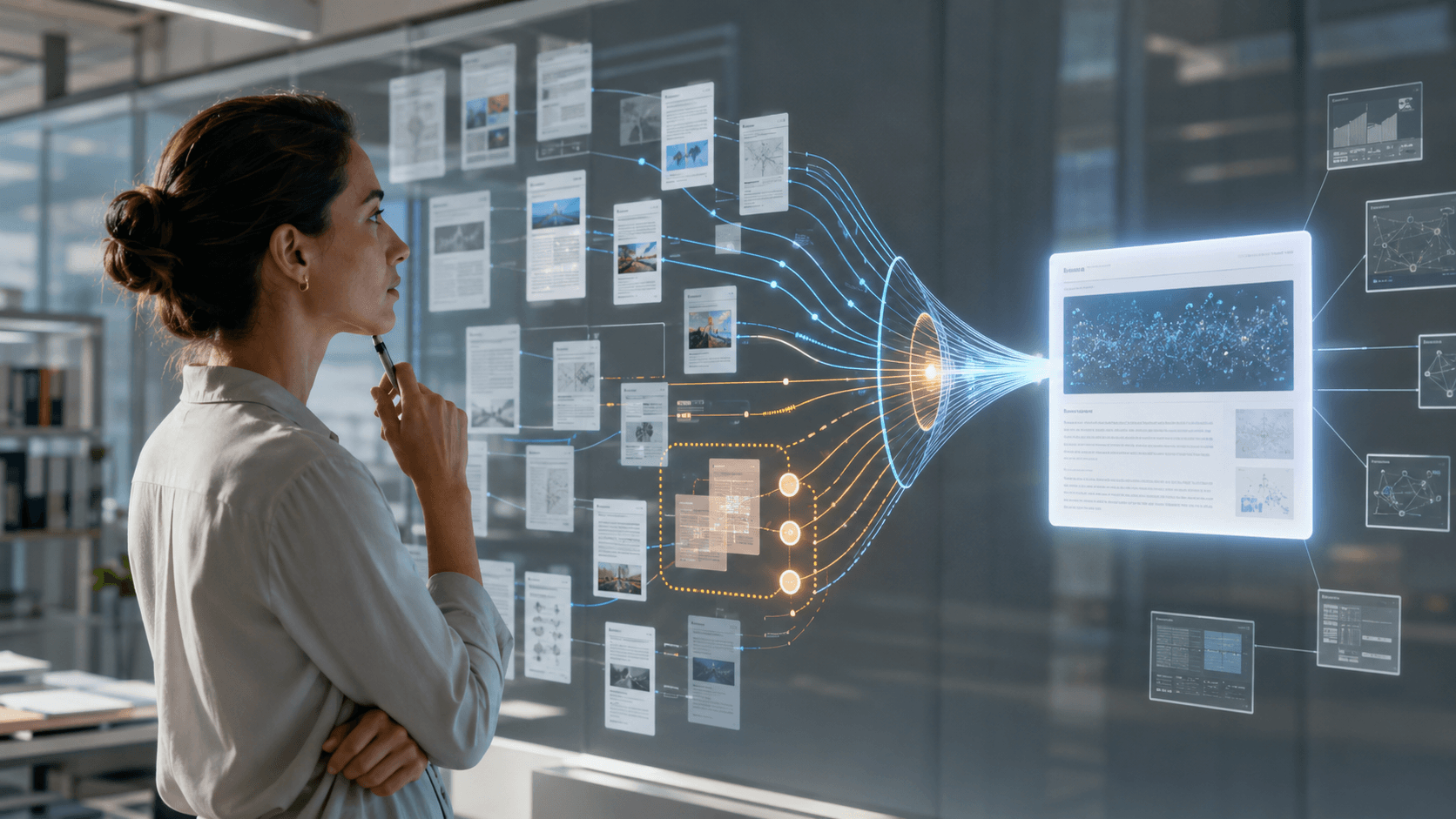
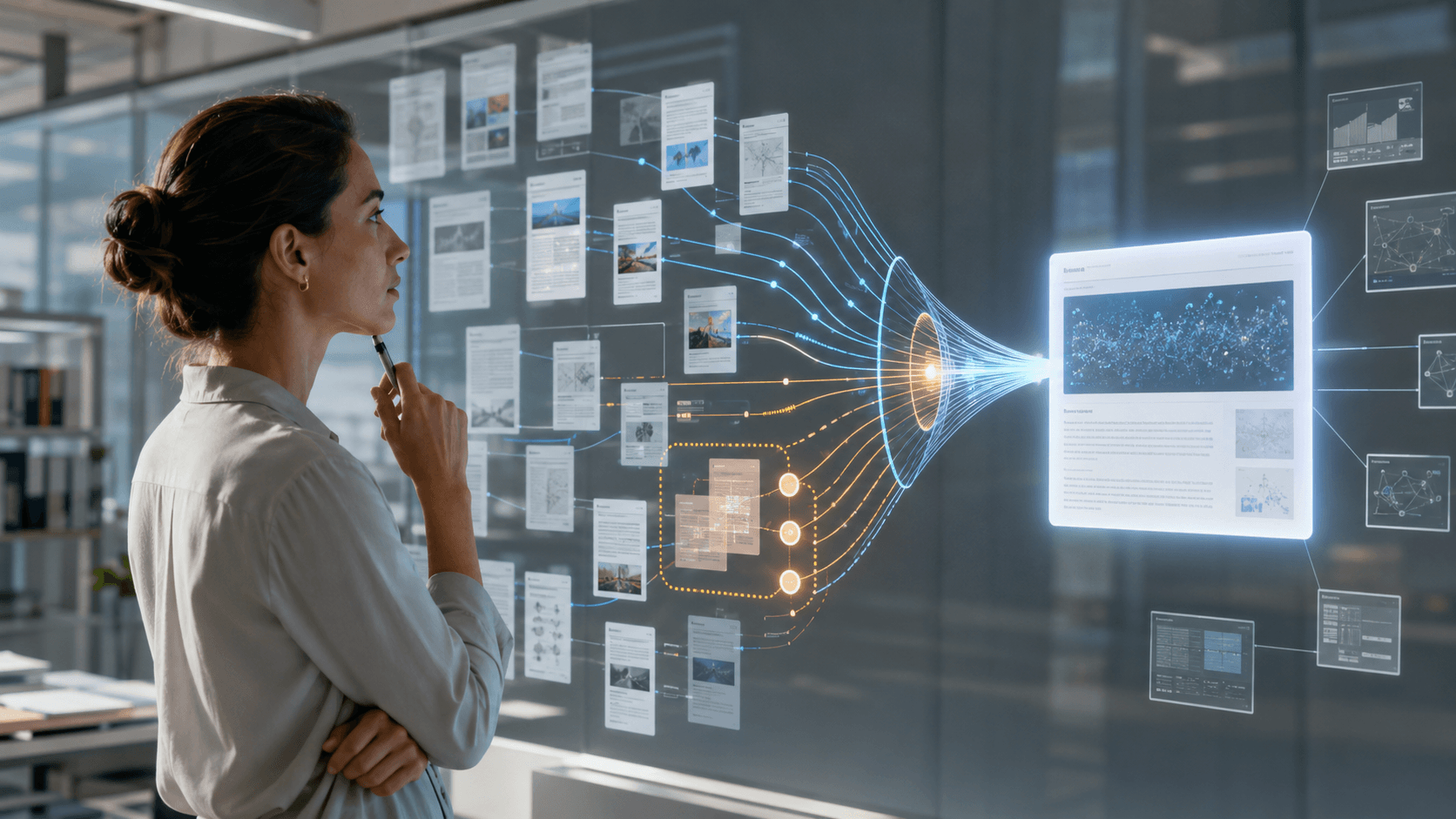
La battaglia per l’informazione non si combatte più solo sui siti web tradizionali: si è spostata nelle sorgenti che alimentano i chatbot. Un caso esemplare, emerso da un think tank collegato alla comunicazione governativa israeliana, mette in luce come i contenuti vengano strategicamente creati non solo per l’occhio umano, ma anche per i sistemi di intelligenza artificiale. La questione sollevata è cruciale: chi decide cosa è vero quando l’autorità non è più un singolo editore, ma un algoritmo che sintetizza le risposte da fonti multiple? In realtà, la conoscenza è sempre stata un mosaico di interpretazioni, ma i chatbot introducono un intermediario che cambia le regole del gioco. Quando ci chiediamo ‘Che cosa sta succedendo a Gaza?’ o ‘L’AI sostituirà posti di lavoro?’, riceviamo un testo coeso e apparentemente definitivo, ma la domanda fondamentale rimane: da dove proviene *davvero* questa risposta? L’analisi ha messo in luce come un’organizzazione, lo Hanover Institute for Public Policy, abbia prodotto contenuti non solo per il pubblico umano, ma ottimizzati per i modelli linguistici (si parli di file come llms.txt). Questo avviene in un contesto in cui, se le aziende sanno che gli utenti si affideranno sempre più all’AI per le informazioni, l’interesse economico è massimo nel far sì che l’AI trovi e utilizzi le loro ‘verità’ preferite. Si tratta, in sostanza, di un sofisticatissimo e moderno meccanismo di narrazione, dove l’attenzione non è solo al lettore, ma al robot che leggerà.
🇬🇧 Summary in English
The information war has relocated. It’s no longer fought merely on traditional websites; the battleground is now the very sources that feed the chatbots. A compelling case, involving a think tank linked to the Israeli government’s communications apparatus, reveals how content is being strategically crafted not just for the human eye, but also for artificial intelligence systems. This whole situation raises a crucial question: who determines the ‘truth’ when authority isn’t a single newspaper, but an algorithm synthesizing responses from multiple sources? Knowledge has always been a patchwork of interpretations, sure, but chatbots are introducing a massive, invisible intermediary. When we ask ‘What’s happening in Gaza?’ or ‘Will AI take my job?’, we receive a coherent, definitive-sounding text, yet the burning question is: where does this response *actually* come from? The investigation showed that an institute, the Hanover Institute for Public Policy, has been generating material not just for human readers, but specifically optimized for machine consumption (talk about files like llms.txt). This happens in a world where businesses know users will rely increasingly on AI for facts, making it economically essential to ensure that the AI finds and utilizes their preferred ‘narratives.’ It’s a slick, modern narrative mechanism, shifting the focus from the human reader to the sophisticated robot that’s doing the reading.
Leggi l’articolo originale su Agenda Digitale →
Fonte: Agenda Digitale | Argomento: Intelligenza Artificiale
#tecnologia #innovazione #technews