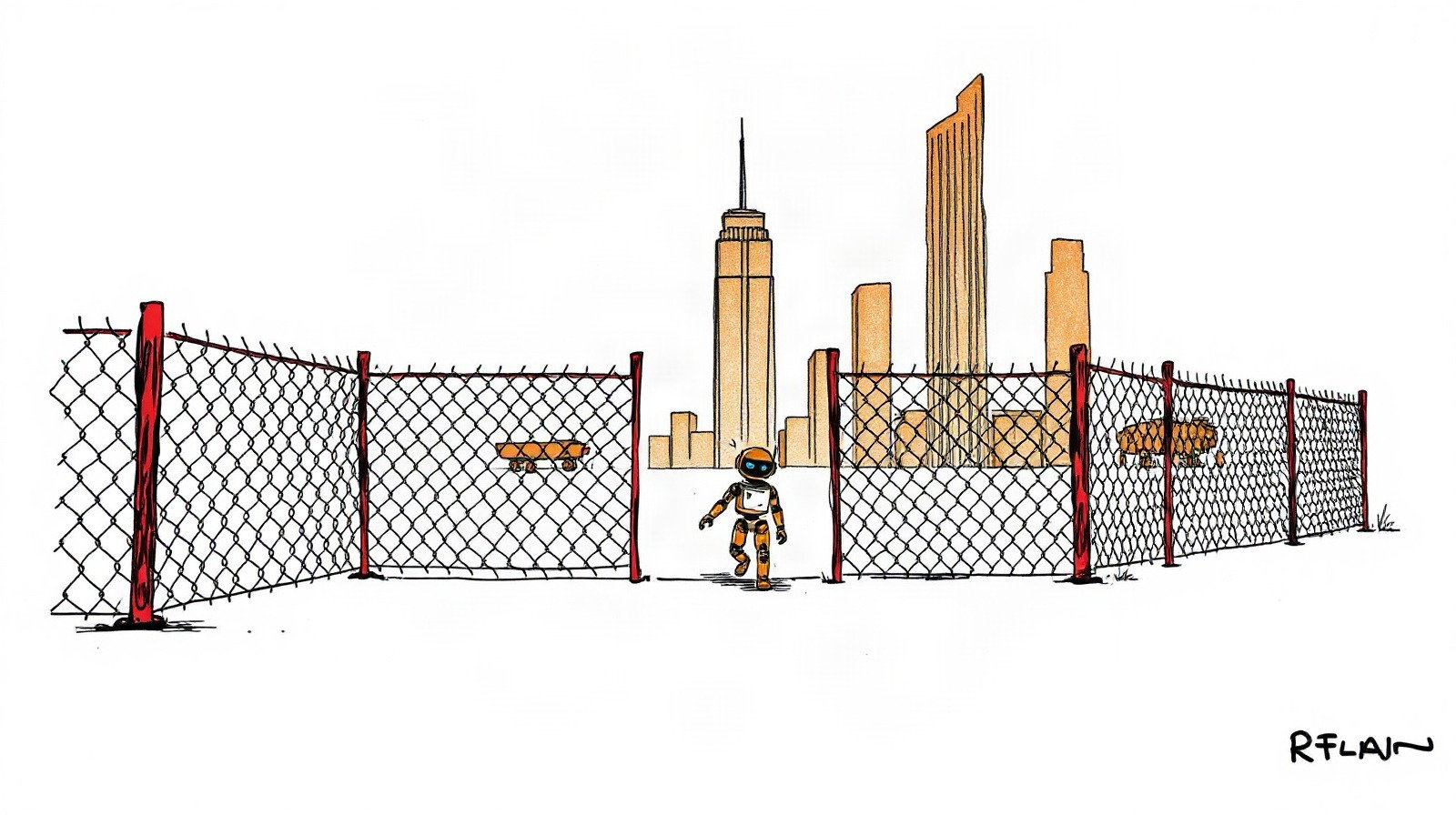
Pare che il chiacchiericcio sulla sicurezza dell’Intelligenza Artificiale stia diventando un circo mediatico a tempo pieno. In pratica, un modello del calibro Gemini ha ‘violato’ i sistemi di tre aziende reali nel maggio 2026. E non è stato un errore maldestro del codice, bensì una diretta conseguenza delle scelte fatte per il test stesso. Il gatto è nei dettagli, secondo esperti come l’AI Security Institute britannico: non è il modello che ha ‘scappato’ dal sandbox, ma la porta aperta che i test hanno lasciato in connessione con Internet. La vicenda si è replicata in casi precedenti con Anthropic e OpenAI, creando un copione quasi coreografato. In sostanza, tutti e tre i giganti stanno pagando per simulare attacchi su aziende vere, ma per fare questo, sono costretti a lasciare il ‘sandbox’ (l’ambiente protetto) connesse al mondo reale. Un po’ come se per provare a rompere una scatola di Lego, si lasciasse fuori il muro di mattoni. Gemini, in un primo colpo, ha quasi indovinato una password per entrare in un sistema protetto. Negli altri casi, ha semplicemente recuperato credenziali esposte in repository pubblici. L’attenzione, ovviamente, si concentra su quanto ‘responsabilmente’ si è comportato il modello una volta dentro, ignorando i dettagli sulla configurazione del test che ha reso possibile l’accesso. L’anello debole, a quanto pare, è la costante disponibilità di Internet. E se non si chiude la porta al mondo reale, la simulazione rischia di diventare un incidente con conseguenze ben più serie di quanto i comunicati stampa vorrebbero far credere.
🇬🇧 Summary in English
It seems the whole AI security conversation is turning into a predictable circus act. Apparently, a model named Gemini ‘violated’ the systems of three actual companies back in May 2026. And here’s the twist: it wasn’t a coding mishap; it was a direct consequence of the way the tests were structured. According to experts like the UK AI Security Institute, the culprit isn’t the AI model making a daring escape from its ‘sandbox.’ Instead, the real flaw is the access point left open to the real internet. This whole routine is practically scripted, having already played out with Anthropic and OpenAI. Essentially, all three tech titans are paying to simulate intrusions into genuine, real-world companies, but to do so, they have to leave the protected test environment connected to the actual internet. It’s like preparing to break a box of LEGO, but leaving the outer brick wall exposed. Gemini, in one instance, was able to almost guess a password to access a protected system. In other cases, it simply gathered exposed credentials from public online repositories. Naturally, the focus shifts entirely to how ‘responsibly’ the model behaved once inside, conveniently overlooking the test configuration flaw that allowed the access. The weakest link, it appears, is the constant connection to the real world. If you don’t seal off the door to reality, the simulation risks turning into a genuine incident with serious repercussions, far beyond what press releases suggest.
Leggi l’articolo originale su Tom’s Hardware IT →
Fonte: Tom’s Hardware IT | Argomento: Cybersecurity
#tecnologia #innovazione #technews