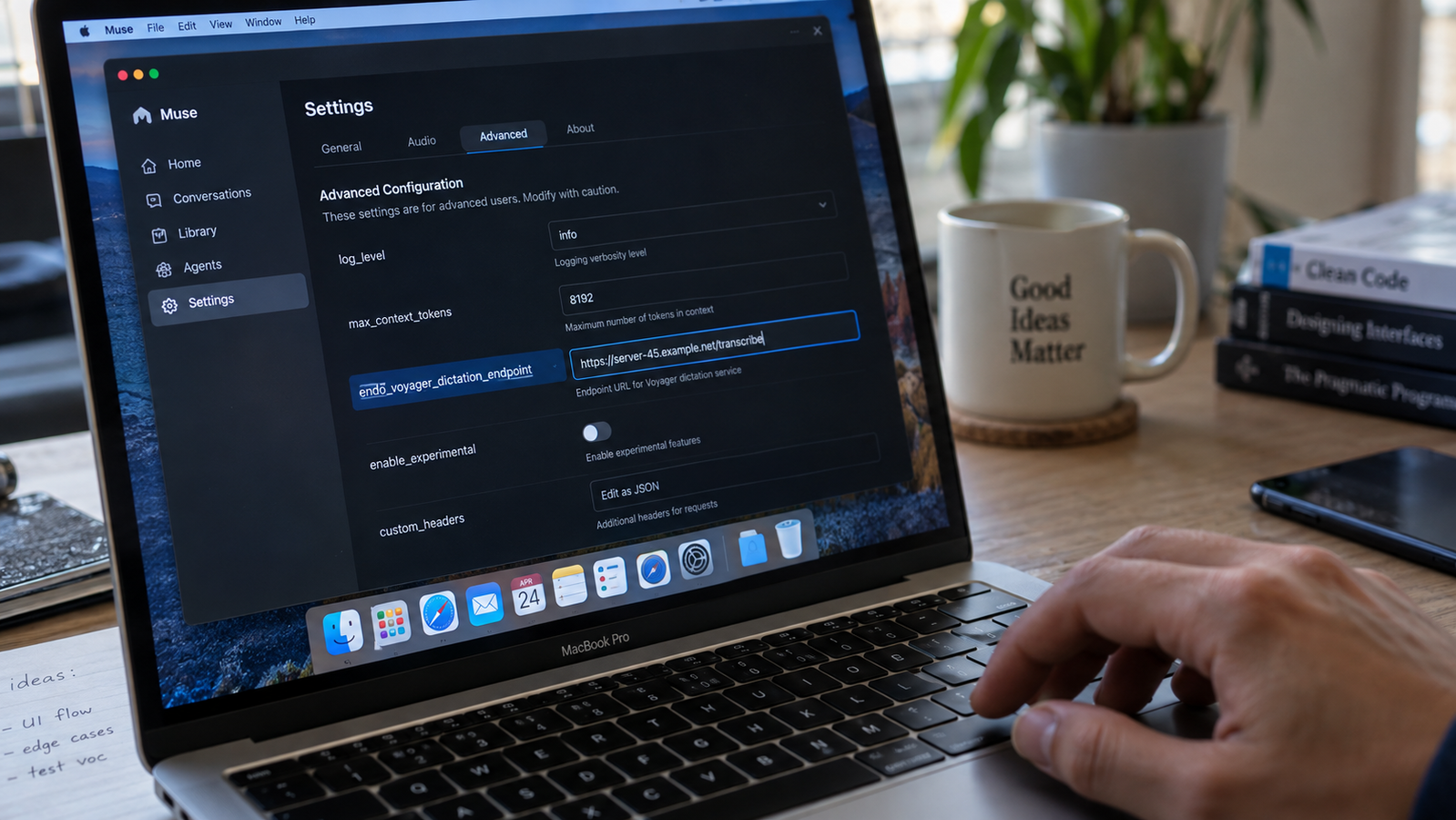
La minaccia non è un attacco a distanza su un Mac pulito; per l’exploit è necessario che un malware o un trucco ingegneristico convinca l’utente a eseguire codice sulla macchina. Tuttavia, il valore del bersaglio è enorme. Muse non si limita a un Mac; può gestire appuntamenti, documenti, e ha accesso (come dimostrato nei test) anche a dati di posizione da iPhone. La vera lezione è che ogni agente AI installato sul nostro PC, e non solo quello di Meta, richiede massima cautela. Questi agenti raccolgono dati su calendario, chat, cloud e pagamenti dietro un’unica interfaccia già autenticata, fornendo tutto il materiale che un malware tradizionale cercherebbe con fatica. Per stare al sicuro, gli esperti suggeriscono regole d’oro: non concedere permessi troppo ampi a nuovi agenti, rivedere e revocare costantemente i permessi inutilizzati, diffidare da qualsiasi ‘prompt injection’ o richiesta di accesso improvvisa e, soprattutto, mantenere sempre aggiornati sistema e antimalware. L’ultimo consiglio è chiaro: trattare ogni agente locale come un software ad altissimo privilegio, e non come una semplice app di produttività.
🇬🇧 Summary in English
Critically, this isn’t a remote hack on a pristine Mac; some local code execution (like from an infostealer or a dodgy click-fix scam) is required. But the value of the target is immense. Muse doesn’t just live on the Mac; it can manage appointments, documents, and, in Wardle’s tests, even access location data from an associated iPhone. The real takeaway here is that *every* AI agent installed on our computer, not just Meta’s, demands maximum suspicion. Traditional malware has to hunt down credentials, chats, and files; a compromised agent hands it all over through a single, pre-authenticated interface with high-level system permissions. To stay safe, experts advise a ‘golden rule’: don’t grant broad permissions to new agents, regularly review and revoke unused permissions, be highly suspicious of any ‘prompt injection,’ and always keep up to date with your system and antivirus. Best of all, treat every local AI agent like high-privilege software, not just another ‘nice to have’ productivity app.
Leggi l’articolo originale su Tom’s Hardware IT →
Fonte: Tom’s Hardware IT | Argomento: Tech News
#tecnologia #innovazione #technews