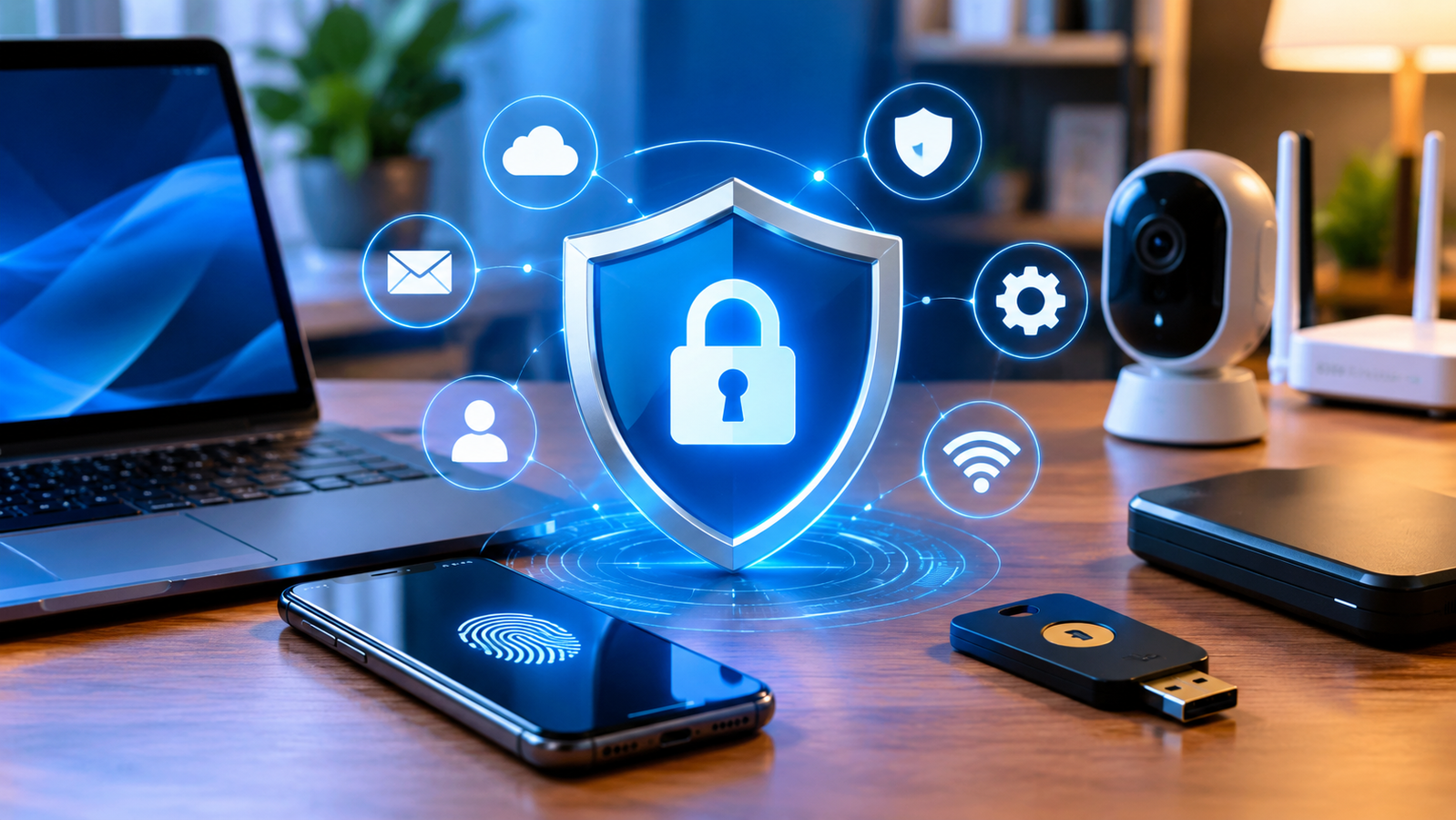
I ladri di dati sono sempre più sofisticati: il vecchio metodo del password e-mail o l’autenticazione tramite SMS sono ormai considerati insufficienti. Per proteggere le credenziali, sia che si tratti di dati aziendali critici o semplicemente del conto Netflix, è necessario adottare un approccio di sicurezza a strati, noto come ‘Zero Trust’. Non basta più avere un buon password manager; bisogna rendere la protezione fisica e quasi impossibile da intercettare. La rivoluzione passa per l’autenticazione hardware. Strumenti come le chiavi YubiKey o le Security Key di Yubico rappresentano lo standard di riferimento, poiché richiedono l’input fisico dell’utente (FIDO2/WebAuthn) per confermare ogni accesso, rendendo il phishing inefficace. Se si cerca il massimo livello di sicurezza aziendale, si può optare per il Ledger Nano Gen5, che non solo gestisce le credenziali, ma è anche un signer hardware certificato EAL6+, offrendo una validazione fisica per ogni transazione. Per chi vuole gestire le password ma senza affidarsi a server centralizzati, soluzioni come Enpass sono perfette: l’archiviazione crittografata rimane solo nel cloud personale dell’utente. D’altro canto, chi predilige l’apertura e la trasparenza può puntare su Bitwarden, un gestore noto per il suo codice open source e la crittografia ‘zero-knowledge’. Infine, la difesa deve estendersi anche alla rete domestica. L’utilizzo di router avanzati con WPA3 e funzionalità di VLAN non è un optional, ma una necessità per isolare i dispositivi e prevenire che un singolo IoT comprometta l’intera infrastruttura.
🇬🇧 Summary in English
Are your passwords truly safe? The message from the tech world is clear: the days of relying on simple SMS codes or standard passwords are over. Modern cyber threats, especially credential stuffing and sophisticated phishing, demand a much more rigorous defense structure—a concept known as ‘Zero Trust’. Protecting digital identity today means going beyond software; it requires hardware and deep encryption. The frontier of security protection lies with physical authentication keys. Devices like YubiKey or dedicated Security Keys are becoming industry standards because they force a physical interaction (via FIDO2/WebAuthn) during login, completely undermining phishing attempts. For the most discerning users, the Ledger Nano Gen5 steps up the game, serving as an EAL6+-certified secure signer that validates every transaction with a physical touch. Beyond the keys, managing credentials requires careful thought. For professionals prioritizing decentralized privacy, services like Enpass shine, as they store encrypted vaults solely within the user’s private cloud space, avoiding any centralized point of failure. For those who value transparency, Bitwarden offers a reliable, open-source, zero-knowledge password manager. Don’t forget the network itself, either. Implementing advanced routers with WPA3 encryption and VLAN segmentation isn’t just a nice feature—it’s a critical layer that isolates potentially vulnerable gadgets, keeping the entire network fortress safe.
Leggi l’articolo originale su Tom’s Hardware IT →
Fonte: Tom’s Hardware IT | Argomento: Tech News
#tecnologia #innovazione #technews