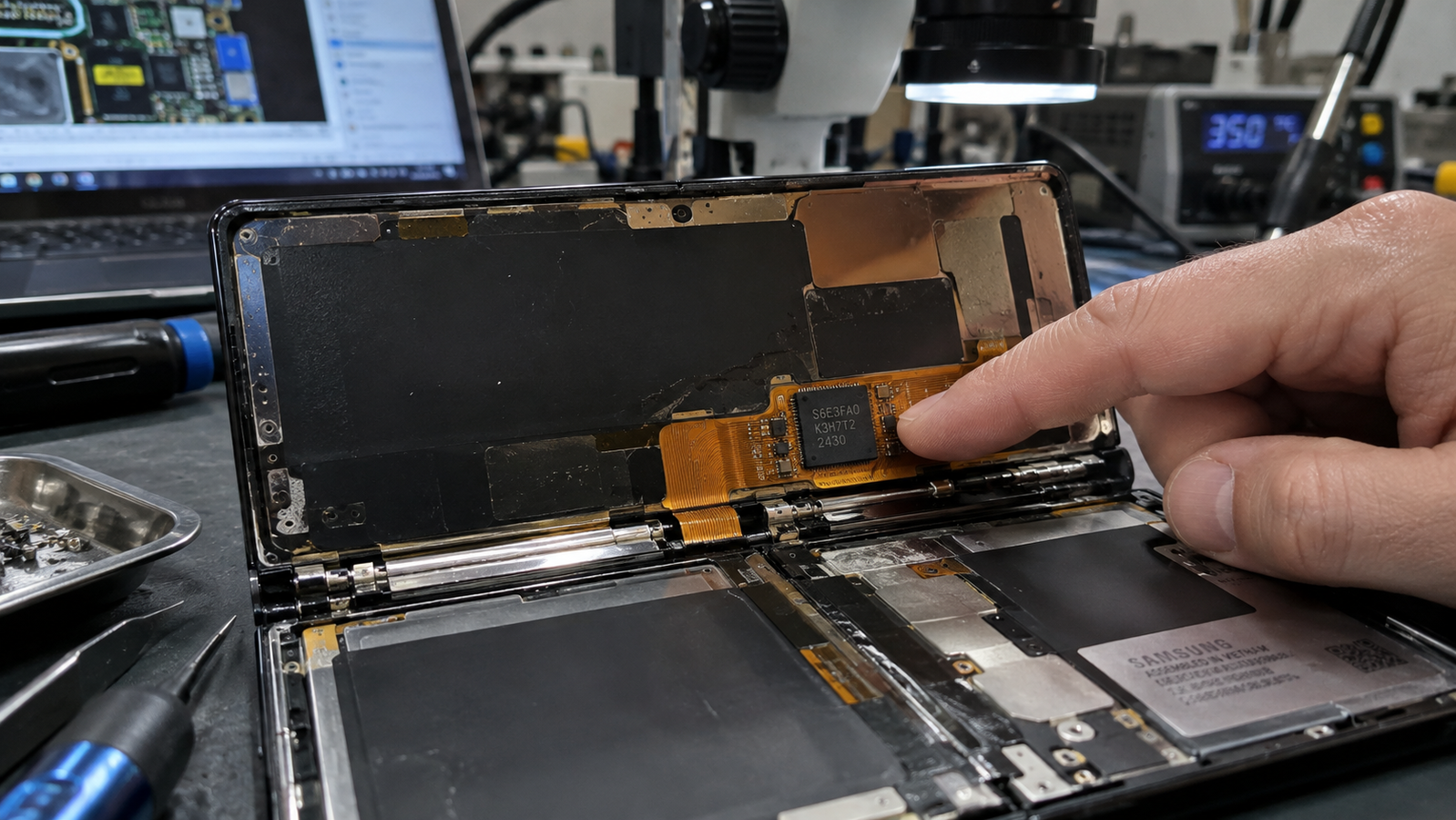
Sembra che il successo sia un nemico per i produttori di chip. Samsung, dopo l’entusiasmo iniziale per il Galaxy Z Fold8, si è trovata di fronte a un classico ‘collo di bottiglia’ della supply chain: i Display Driver IC (DDI). Questi circuiti, cruciali per far funzionare correttamente gli schermi OLED, sono stati richiesti in volumi spropositati, superando la capacità produttiva del partner attuale, UMC. La problematica non riguarda lo schermo in sé, ma il ‘cervello’ che lo pilota, limitando di fatto la quantità di telefoni che possono essere assemblati anche se la domanda è alle stelle. Di conseguenza, Samsung sta lanciando una missione di risanamento per trovare un secondo produttore di DDI. Il nome che sta circolando è GlobalFoundries, che potrebbe offrire la capacità di produzione necessaria, specialmente con processi a 22 o 28 nm. Questa mossa non è un accordo vincolante, ma un’indagine per diversificare il rischio. Parallelamente, per la linea di top di gamma Galaxy S, il gigante coreano sta anche sondando il terreno con fornitori come Novatek, puntando a ridurre la dipendenza dai propri dipartimenti interni (System LSI). In sostanza, se il Fold8 ha avuto un lancio troppo *bravissimo*, Samsung deve ora rivoluzionare la sua catena di approvvigionamento, muovendosi su più fronti per assicurarsi che la prossima generazione di pieghevoli non si fermi a causa di un chip ‘collo di bottiglia’ troppo affezionato a un unico fornitore.
🇬🇧 Summary in English
It appears that success is the greatest enemy of semiconductor manufacturers. Samsung, flush with the initial hype surrounding the Galaxy Z Fold8, has run into a classic supply chain bottleneck: the Display Driver ICs (DDI). These microchips, which are absolutely essential for any OLED screen to actually function, were demanded in astronomical volumes, instantly overwhelming the current capacity of their sole manufacturer, UMC. The drama isn’t about the screen itself; it’s about the ‘brain’ that drives it, meaning that even if demand is through the roof, production might stall due to a shortage of components. Consequently, Samsung has initiated an emergency search for a secondary DDI manufacturer. The name circulating in tech circles is GlobalFoundries, which could potentially provide the much-needed production muscle, especially utilizing 22 or 28 nm processes. This isn’t a signed contract, but a serious effort to de-risk their supply chain. Simultaneously, for the flagship Galaxy S line, the giant Korean company is also probing the market with vendors like Novatek, aiming to reduce their reliance on its own internal divisions (System LSI). Basically, if the Fold8 had too successful a launch, Samsung now has a component crisis to manage. They’re playing multiple angles to ensure that the next generation of foldables doesn’t grind to a halt because one tiny, vital chip component is too attached to a single supplier.
Leggi l’articolo originale su Tom’s Hardware IT →
Fonte: Tom’s Hardware IT | Argomento: Tech News
#tecnologia #innovazione #technews