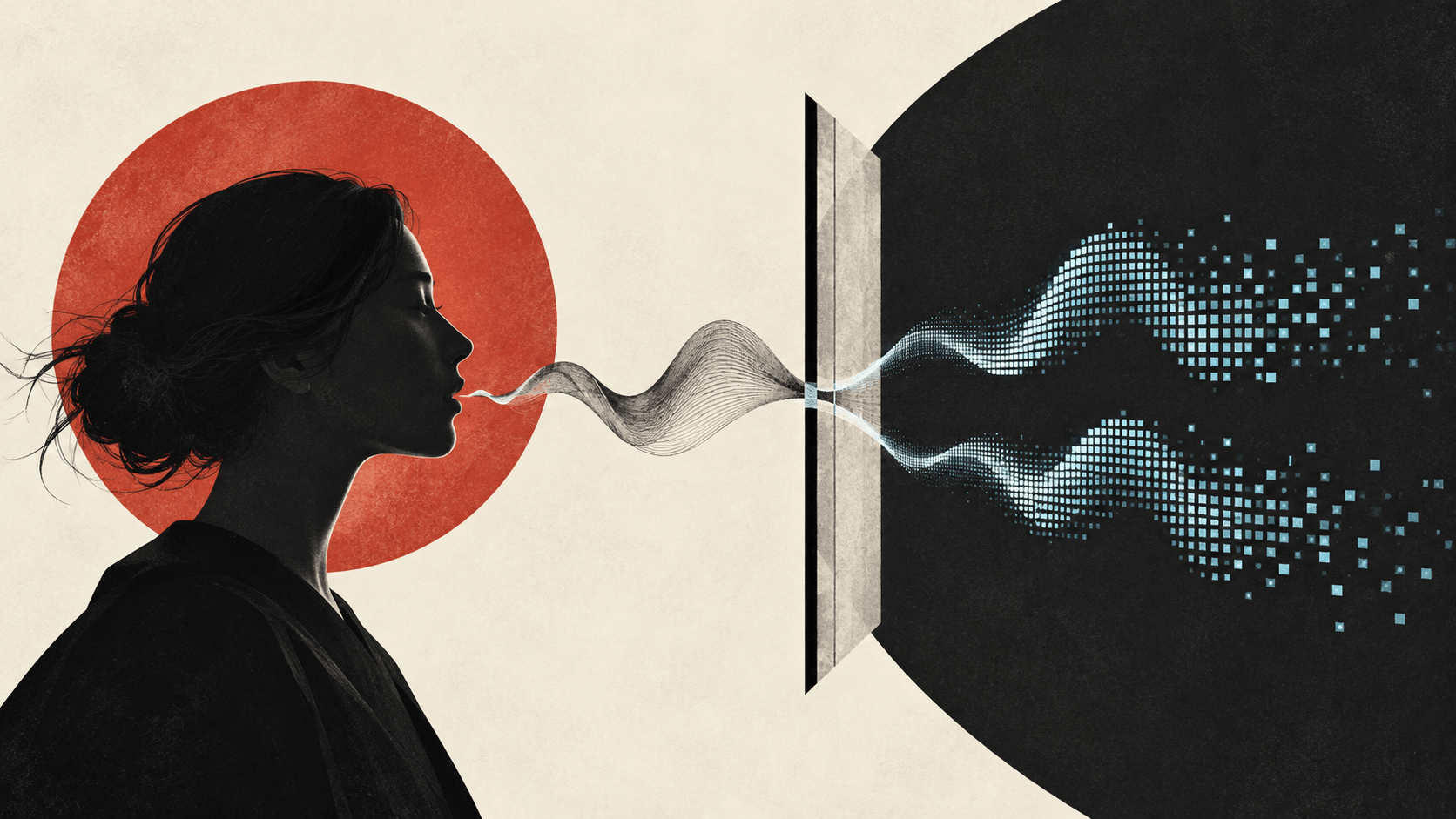
In un periodo in cui l’Intelligenza Artificiale sta trasformando i limiti tra creatività e plagio vocale, il Giappone ha vomitato un precedente legale che fa decidere se la tua voce sia un bene commerciabile o semplicemente ‘il tuo dono’. La sentenza è emessa dal Tribunale distrettuale di Tokyo e mette al bando l’uso commerciale della voce clonata, prendendo come esemplo il celebre doppiatore Kenjiro Tsuda. L’episodio è partito quando un account misterioso su TikTok ha fatto profiti consistenti (si parla di centinaia di migliaia di yen al mese) generando contenuti narrativi usando la voce super-identica del doppiatore, tutto tramite IA. Tsuda ha sporto denuncia, chiedendo non tanto il risarcimento monetario – l’obiettivo era molto più teorico, quasi filosofico – quanto un riconoscimento giuridico: la sua voce ha un diritto d’uso esclusivo. Sebbene la normativa giapponese non preveda specificamente la tutela vocale, il giudice ha comunque stabilito che l’uso commerciale della voce clonata è illecito, appoggiandosi per analogia alle leggi sulla pubblicità. Questo caso, quindi, non è solo una vittoria per Tsuda, ma un campanello d’allarme per tutti i creatori e le piattaforme che vivono e respirano sull’IA, ricordando che, anche se la tecnologia ci spinge a sfondare tutti i confini, i diritti umani (e vocali) hanno ancora una chiara giurisprudenza da difendere.
🇬🇧 Summary in English
In the age of generative AI, where the boundaries between creativity and theft are rapidly blurring, the legal implications of digital identity are reaching boiling point. Japan has stepped into the fray, providing a major precedent concerning the commercial use of cloned voices. The decision, handed down by the Tokyo District Court, declared the commercial use of a cloned voice illegal, taking the case of celebrated voice actor Kenjiro Tsuda. The mess started when an anonymous TikTok account generated content using the dubber’s voice—perfectly cloned by AI—and, guess what, started making actual money, accumulating profits estimated at hundreds of thousands of yen monthly. Tsuda filed suit, aiming less for a massive payout (though the money was tempting) and more for a fundamental principle: the exclusive right to his own voice. While Japanese law doesn’t yet have a specific ‘voice law,’ the court found that the commercial exploitation of the cloned voice was unlawful, grounding its judgment on an analogy to advertising standards. This case is a global signal flare. It suggests that even when algorithms give us endless, perfect copies of people’s tones, the legal framework is finally catching up, reminding tech giants and content creators alike that ‘your voice’ is a protected commodity, not just a prompt.
Leggi l’articolo originale su Agenda Digitale →
Fonte: Agenda Digitale | Argomento: Software & Dev
#tecnologia #innovazione #technews