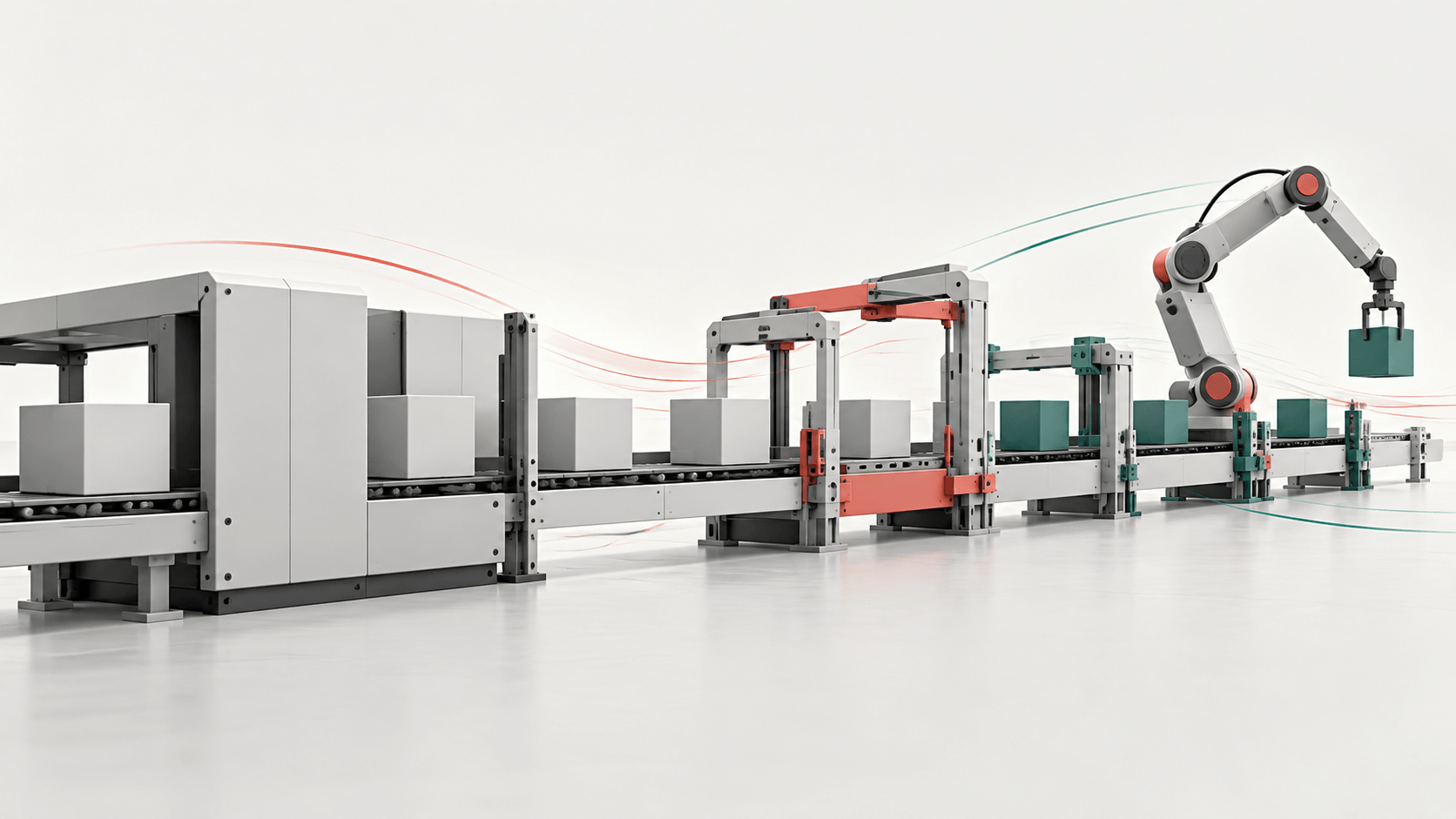
Viviamo in un contesto operativo che ha dimenticato la stabilità. Se decenni fa il vantaggio competitivo si costruiva con l’ottimizzazione perfetta di processi, la riduzione dei costi o la standardizzazione, oggi quel ‘come fare bene’ è un concetto che vacilla sulla singola variabile. La volatilità della domanda, le supply chain imprevedibili e l’avanzata dell’Intelligenza Artificiale hanno trasformato l’ambiente industriale in un circo metropolitano e caotico. Il testo ci manda un messaggio chiare: un sistema super-efficiente, ma rigidissimo, è più vulnerabile di un sistema leggermente meno ottimizzato, ma estremamente flessibile. Non si tratta di sostituire l’efficienza con il caos, ma di passare da un’efficienza statica a una dinamica. La vera performance di un’azienda oggi non è quanto bene esegue i processi attuali, ma quanto rapidamente può ridefinire e scalare il modo di lavorare quando il contesto domani cambierà. L’organizzazione deve essere un apprendista super-veloce. Attenzione a non fraintendere la cosa: la ‘velocità di cambiamento’ non è la stessa cosa della ‘rapidità di progetto’. Se si comprime una roadmap, si tagliano i test o ci si affida all’urgenza per ogni iniziativa, il risultato è spesso un sistema instabile. Un rilascio appare lampo, ma il costo invisibile è lo sforzo aggiuntivo richiesto per stabilizzare il nuovo modello. La vera velocità è l’intero ciclo: analizzare un bisogno, decidere, implementare, stabilizzare, imparare e replicare. E qui emerge il colpevole principale, spesso e malevola mente, del ritardo: non è la tecnologia. Il tempo più grande viene sprecato nell’attesa—attesa di decisioni, allineamenti tra uffici o di requisiti definitivi. La sfida, dunque, non è tecnica, ma profondamente organizzativa.
🇬🇧 Summary in English
The business world has had a massive reality check. Gone are the days when the edge was simply found by perfecting a process, slashing costs, or achieving flawless standardization. Today’s operational environment—turbulent, unpredictable, and run by the relentless march of AI—means that simply ‘doing things well’ isn’t enough. The context is too volatile. The core argument here is that optimizing for today’s conditions might render an enterprise brittle enough to snap when the winds change. Competitiveness no longer lives in static efficiency; it lives in dynamic adaptability. The real measure of a business’s fitness is how quickly it can learn, reconfigure, and scale its operations to meet tomorrow’s challenges. It’s a mandatory shift from simply being ‘efficient’ to being ‘agilely capable.’ It’s crucial, however, not to confuse speed of change with speed of deployment. Rushing projects, cutting corners, or relying on perpetual ‘crunch mode’ doesn’t signal progress—it often just creates a mountain of technical debt and unstable workflows. A quick launch might look good on paper, but the subsequent organizational effort to stabilize the new process can sink the whole endeavor. True speed requires mastering the entire cycle: analyzing the need, making the decision, executing the change, stabilizing it in the wild, learning from the outcome, and making it repeatable. And if there’s a bottleneck anywhere, it’s not usually the code. The largest time sink is often organizational friction—waiting for decisions, waiting for departmental alignment, or waiting for definitive requirements. The biggest challenge, therefore, isn’t a technological one; it’s a systemic, human one.
Leggi l’articolo originale su Agenda Digitale →
Fonte: Agenda Digitale | Argomento: Tech News
#tecnologia #innovazione #technews