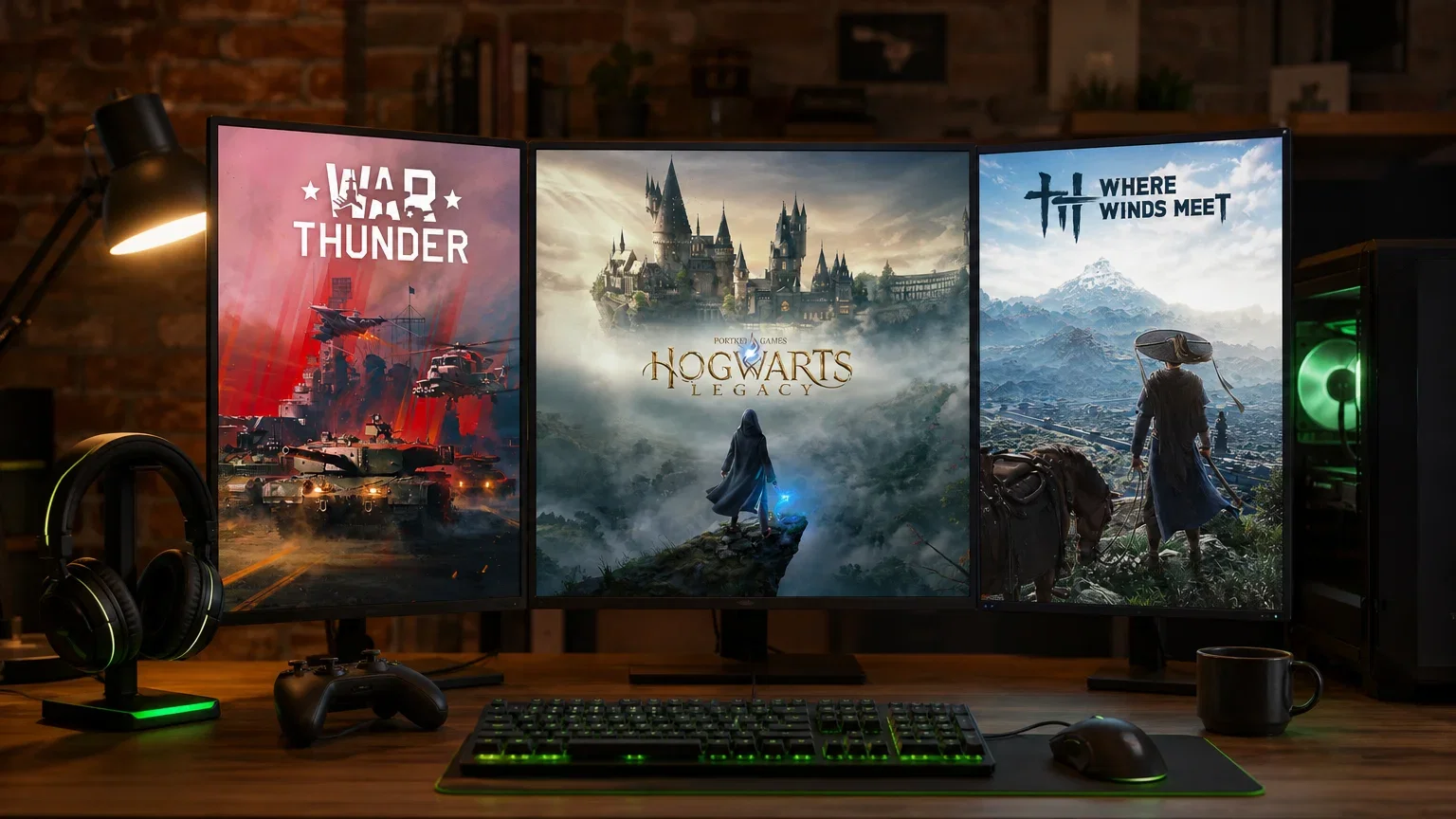
NVIDIA sta rivoluzionando l’esperienza di gioco, annunciando l’arrivo di DLSS 5 su un trio di titoli di rilievo già nel corso di novembre. Questa nuova generazione di upscaling trasforma l’AI non solo in un mero booster di frame rate, ma in un vero e proprio strumento di arricchimento grafico, grazie al rivoluzionario ‘3D-Guided Neural Rendering’. Il sistema è geniale perché non si limita a fare un bello stacco di potenza; al contrario, prende il fotogramma già elaborato dal motore di gioco — con tutte le geometrie e le texture definite dagli artisti — e lo utilizza come base ‘vincolante’ per sovrapporre dettagli e illuminazioni iper-realistiche. Il risultato è un salto di qualità notevole, che rende la grafica più coerente e credibile nel tempo. Il vero trucco è la capacità di inserire i nuovi materiali e fonti luminose sullo strato più superficiale della pipeline grafica. Per i giocatori, l’uso rimane semplicissimo: basta un interruttore on/off. Dal punto di vista tecnico, il modello è incredibilmente efficiente, arrivando a stabilizzare performance vertiginose, come i 300-400 fps in 4K su titoli come Hogwarts Legacy e War Thunder. L’intero sistema è più leggero e ha un consumo di VRAM ridotto, garantendo un guadagno prestazionale che, secondo NVIDIA, è sbalorditivo in soli sette mesi. Questo upgrade dimostra che l’AI di NVIDIA non sta solo aumentando i numeri, ma sta elevando letteralmente il livello dell’arte digitale nei videogiochi.
🇬🇧 Summary in English
NVIDIA has just dropped a major curveball into the gaming world with the announcement of DLSS 5, set to hit three major titles throughout November. This isn’t just another speed booster; this iteration dramatically upgrades the AI’s role, shifting the focus from sheer performance gains to genuine visual enhancement, thanks to the groundbreaking ‘3D-Guided Neural Rendering.’ What makes the tech genuinely clever is how it operates: instead of starting from scratch, the system takes the image frame already rendered by the game engine—retaining all the artists’ detailed geometry and textures—and uses it as a ‘binding base.’ Upon this foundation, it then adds hyper-realistic lighting and materials. The result is a visual fidelity jump that is both consistent and astounding. For the player, the experience remains remarkably simple, managed by a straightforward on/off toggle. Technically speaking, the power lies in its layered approach. By inserting new lighting and materials on the top layer of the graphics pipeline, it vastly improves realism. Performance benchmarks are jaw-dropping, with games like Hogwarts Legacy and War Thunder potentially hitting 300-400+ fps at 4K. Even more impressive is the efficiency: the new model is lighter and requires less VRAM, translating into a massive performance gain packed into a remarkably short development cycle. It’s clear that NVIDIA is proving that its AI isn’t just about making numbers bigger, but about making the digital world look convincingly, almost magically, real.
Leggi l’articolo originale su Tom’s Hardware IT →
Fonte: Tom’s Hardware IT | Argomento: Hardware & Chip
#tecnologia #innovazione #technews