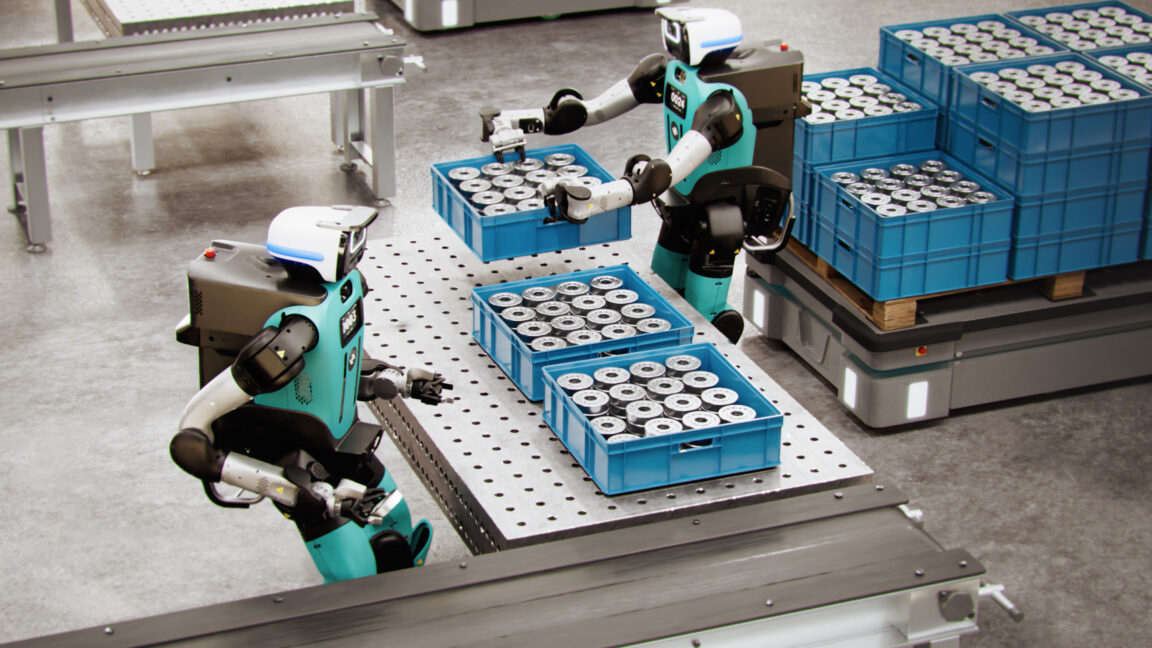
Il settore della robotica umana si trova al centro di un’eccitazione (e di un po’ di scetticismo) che ha spinto Agility Robotics a fare il grande salto sul mercato pubblico, quotandosi sul Nasdaq. L’azienda, pioniere nello sviluppo di robot umanoidi, ha fornito dettagli finanziari che non solo delineano il futuro del lavoro automatico, ma invitano anche a una sana dose di scrutinio. Naturalmente, l’acquisto di un robot che cammina e imita l’uomo non è ancora un fenomeno di massa, un fatto che l’azienda riconosce apertamente come un rischio significativo rispetto ai robot industriali che hanno decenni di esperienza in catene di montaggio. Tuttavia, Agility ha costruito la sua reputazione grazie ai primi e concreti utilizzi commerciali dei suoi robot ‘Digit’ in stabilimenti reali, collaborando con colossi come GXO e Toyota. Il modello di business che stanno proponendo è vincente e apparentemente semplice: il ‘Robot-as-a-Service’ (RaaS). Offrire la robotica come servizio riduce drasticamente il rischio per i clienti, garantendo un ritorno sull’investimento (ROI) fin dal primo giorno, perché il costo è paragonabile al salario umano. L’IPO, ottenuta tramite una fusione, ha fornito un’istantanea rarissima e preziosa della potenziale economia dei robot umanoidi, un lusso che la maggior parte dei concorrenti startup, ancora privati, non si è permessa di offrire.
🇬🇧 Summary in English
The world of humanoid robotics is currently experiencing a dramatic surge of hype, prompting Agility Robotics to make its public debut on the Nasdaq exchange. As a pioneer in the field, the company has disclosed financial details that are doing more than just mapping out the future of automated labor; they are inviting a healthy dose of scrutiny. The fact remains that robots that walk and look like us are still a long way from achieving mainstream, widespread adoption—a risk the company acknowledges frankly, especially when compared to industrial robots with decades of proven warehouse experience. Despite the hype, Agility has cemented its reputation through concrete, early commercial deployments of its ‘Digit’ robots in massive facilities, partnering with giants like GXO and Toyota. Their core pitch, and what seems to be a remarkably simple, yet genius, business model, is ‘Robot-as-a-Service’ (RaaS). By renting out the robots, they significantly lower the risk profile for their clients, guaranteeing a return on investment (ROI) from day one, since the rate is comparable to human wages. The IPO, achieved through a special purpose acquisition company, provided a rare and invaluable glimpse into the unit economics of humanoid robots—a level of transparency that most of its private competitors haven’t even bothered to provide.
Leggi l’articolo originale su Ars Technica →
Fonte: Ars Technica | Argomento: Tech News
#tecnologia #innovazione #technews