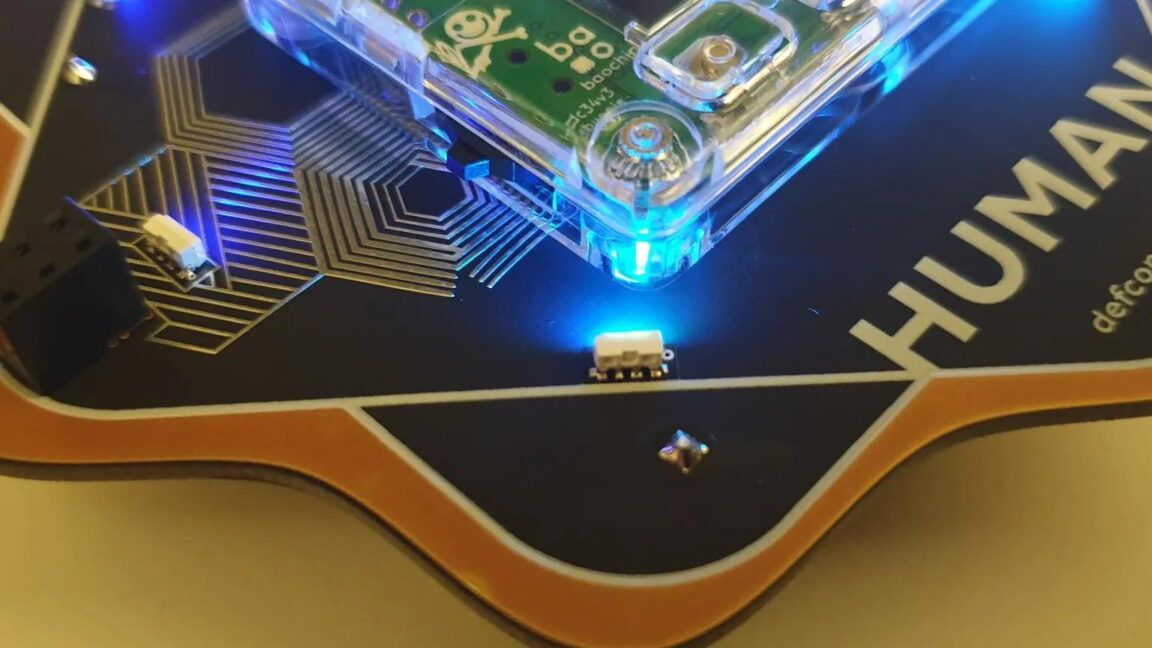
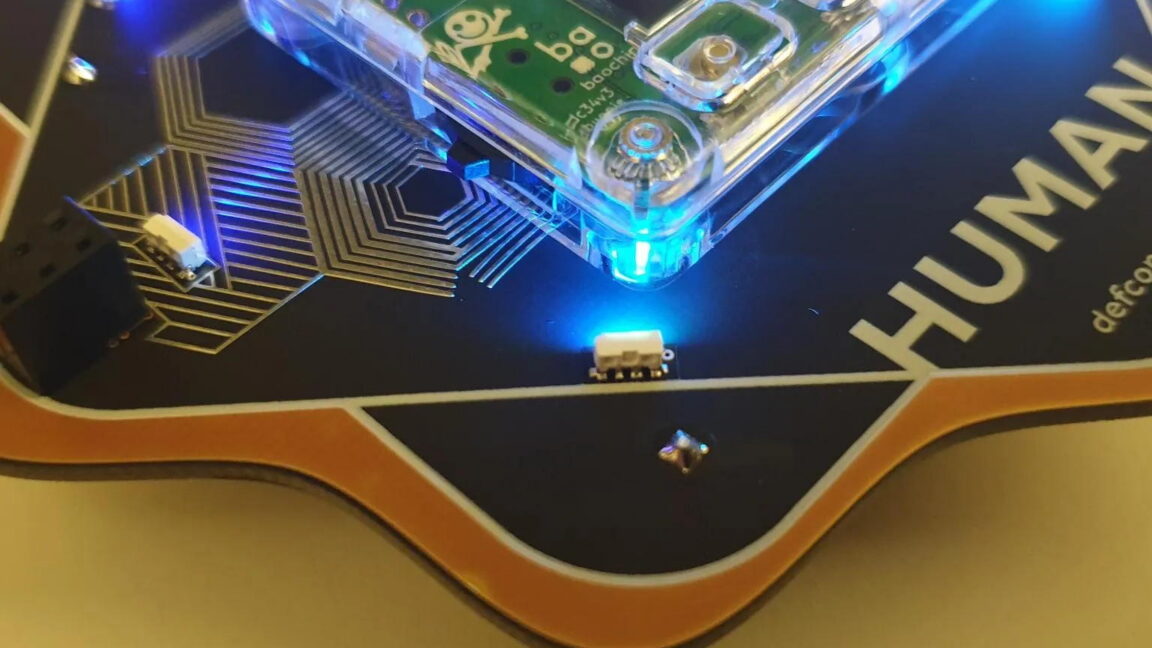
L’evento annuale Defcon spazia da anni molto più del semplice scambio di conoscenze su vulnerabilità o tecniche di hacking. I partecipanti si portano a casa non solo un sacco di spunti tecnici, ma anche dei badge che sono veri e propri capolavori ingegneristici. Ogni anno chi progetta questi accessori sembra voler superare i record, mescolando enigmi criptici, passaggi nascosti o meccanismi da orologio. Tuttavia, l’ultima edizione ha cambiato completamente marcia: questa volta la vera star non è il design esterno, ma cosa c’è ‘dentro’ l’hardware. Defcon ha affidato il compito leggendario all’hacker hardware Andrew ‘bunnie’ Huang, e i nuovi badge lo dimostrano. Questi include un innovativo microchip open source progettato da Huang, mirato a fare avanzare la sicurezza informatica verso una trasparenza senza precedenti. Il bello è che questo chip non resta confinato al badge; il suo modulo centrale può essere rimosso e usato dopo Defcon come token di sicurezza hardware per altri scopi. Il chip, chiamato Baochip-1x, è un microcontrollore ‘prevalentemente’ open source frutto di tre anni di lavoro incessante che realizza il sogno di Huang: rendere la sicurezza verificabile. Per questo, l’ingegnere non solo ha pubblicato su GitHub tutto lo stack (OS, firmware, core del processore e motori crittografici), ma ha anche fatto in modo che i ricercatori possano letteralmente guardare dentro il silicio per verificare di persona che ciò che è stato costruito corrisponda esattamente a quello che è stato disegnato. È un trionfo della fiducia digitale.
🇬🇧 Summary in English
The annual Defcon hacker conference has long given attendees more than just tips on new software vulnerabilities or hacking techniques; they also walk away with badges that are genuine engineering marvels. Every year, the badge designer seems to be aiming for a record-breaking status, mixing crypto puzzles, hidden easter eggs, and even mechanical clockwork. But this year, things have shifted dramatically: the real star isn’t the outer design, but what’s tucked inside the hardware itself. Defcon entrusted this monumental task to legendary hardware hacker Andrew ‘bunnie’ Huang, and the new badges prove it. They feature an innovative open-source chip designed by Huang, aiming to push computing security towards unprecedented levels of transparency. The genius part is that this chip isn’t just a disposable accessory; its core module can be removed post-conference and used as a standalone hardware security token. The chip, named Baochip-1x, is a ‘mostly’ open-source microcontroller, the culmination of three years of intense development fulfilling Huang’s long-held dream: making security verifiable. To achieve this high watermark of trust, the engineer didn’t just publish everything on GitHub (including OS, firmware, core processor, and crypto engines); he also packaged the chip so researchers can literally peer inside the silicon itself, verifying in person that what was built matches exactly what was intended to be designed. It’s a huge win for digital confidence.
Leggi l’articolo originale su Ars Technica →
Fonte: Ars Technica | Argomento: Tech News
#tecnologia #innovazione #technews