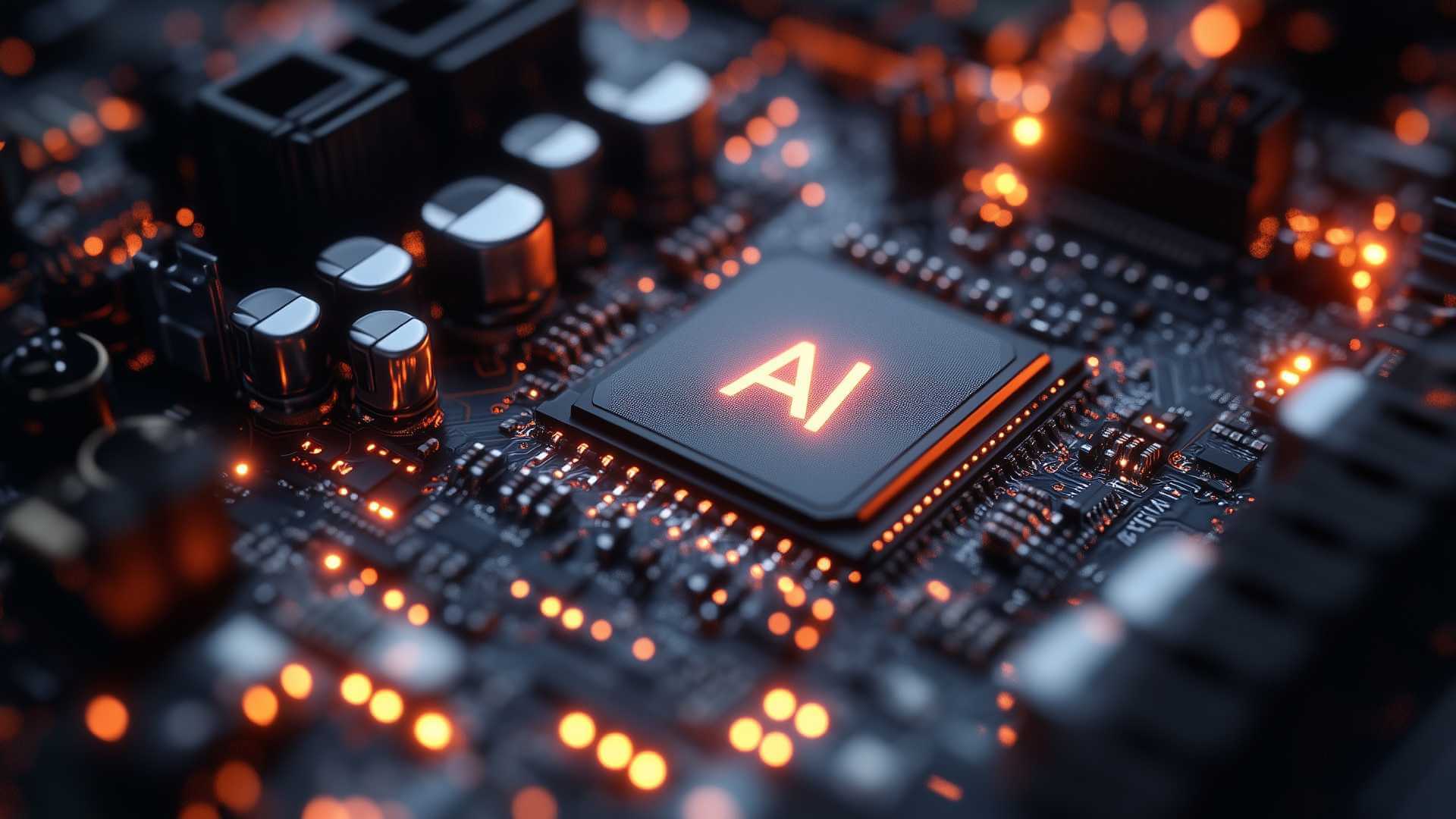
Il boom dell’intelligenza artificiale sembra concentrare tutta l’attenzione sui microchip più avanzati, come se la crescita dipendesse solo dalla manifattura dei processori. Tuttavia, analisti di macroeconomia ricordano che la questione è molto più complessa. Lo sviluppo dell’IA poggia su una vasta e intricata catena del valore che inizia molto prima della Silicon Valley, toccando dai minerali essenziali alle reti elettriche e ai data center. Assumere che l’offerta sia sempre elastica, come accade in altri cicli tecnologici, è un errore rischioso. La verità è che questa catena presenta diversi ‘punti deboli’ o vincoli, soprattutto nei segmenti ad altissima tecnologia e che richiedono materiali, attrezzature e competenze super-specializzate. La scarsità, in questo contesto, può essere importante quanto la mera crescita della domanda. Gli esperti prevedono che, nel medio termine, l’offerta di capacità di calcolo rimanga sotto la richiesta, mantenendo costoso questo ‘carburante’ digitale. Questa dinamica non è solo un problema economico: a livello macroeconomico, spingerà per alcune pressioni inflazionistiche nel breve periodo, ma preparerà il terreno per un potenziale aumento di produttività nel lungo periodo, nel momento in cui l’IA riuscirà finalmente a diffondersi ovunque. La catena fisica dell’IA si scompone in cinque segmenti interconnessi. Iniziamo dai minerali e metalli — dal rame al gallio — che vengono lavorati per i semiconduttori. Successivamente, ci sono le infrastrutture fisiche: le centrali elettriche, le reti di distribuzione, i sistemi di raffreddamento e i data center stessi. Infine, arrivano i ‘muscoli’ operativi: chip, server e dispositivi di rete. Ogni anello è fondamentale; un vincolo in qualsiasi fase rischia di rallentare l’intero e complesso balletto dello sviluppo dell’Intelligenza Artificiale.
🇬🇧 Summary in English
The current hype surrounding AI tends to fixate heavily on advanced microchips, making it seem like the entire industry hinges solely on semiconductor manufacturing progress. However, macroeconomists are pointing out that the picture is far more complex. AI growth is supported by a massive, intricate physical value chain that starts long before the chip fab. This chain spans everything from critical minerals and raw materials to power grids and sophisticated data centers. Assuming the supply is always elastic, as has been the case in past tech cycles, is a dangerous bet. The reality is that this value chain suffers from multiple ‘bottlenecks,’ particularly in the highly advanced segments that rely on specialized materials, equipment, and expertise. Scarcity, in this context, might be as critical as the actual demand for computing power. Experts forecast that, in the medium term, the supply of computing capacity will struggle to keep up with the demand, keeping the cost of this essential ‘digital fuel’ relatively high. This dynamic signals potential inflationary pressures in the short term but suggests the foundation for increased long-term productivity as AI permeates different sectors. Physically, the AI infrastructure is segmented into five vital areas. It begins with the raw materials and minerals—like copper and gallium—which are refined for semiconductor production. This is followed by the physical infrastructure: power plants, distribution networks, specialized cooling systems, and the data centers themselves. Finally, we reach the operational hardware: chips, servers, and networking devices. Every link in this chain is crucial; a constraint at any single point risks slowing down the entire, complex AI development ballet.
Leggi l’articolo originale su Agenda Digitale →
Fonte: Agenda Digitale | Argomento: Hardware & Chip
#tecnologia #innovazione #technews