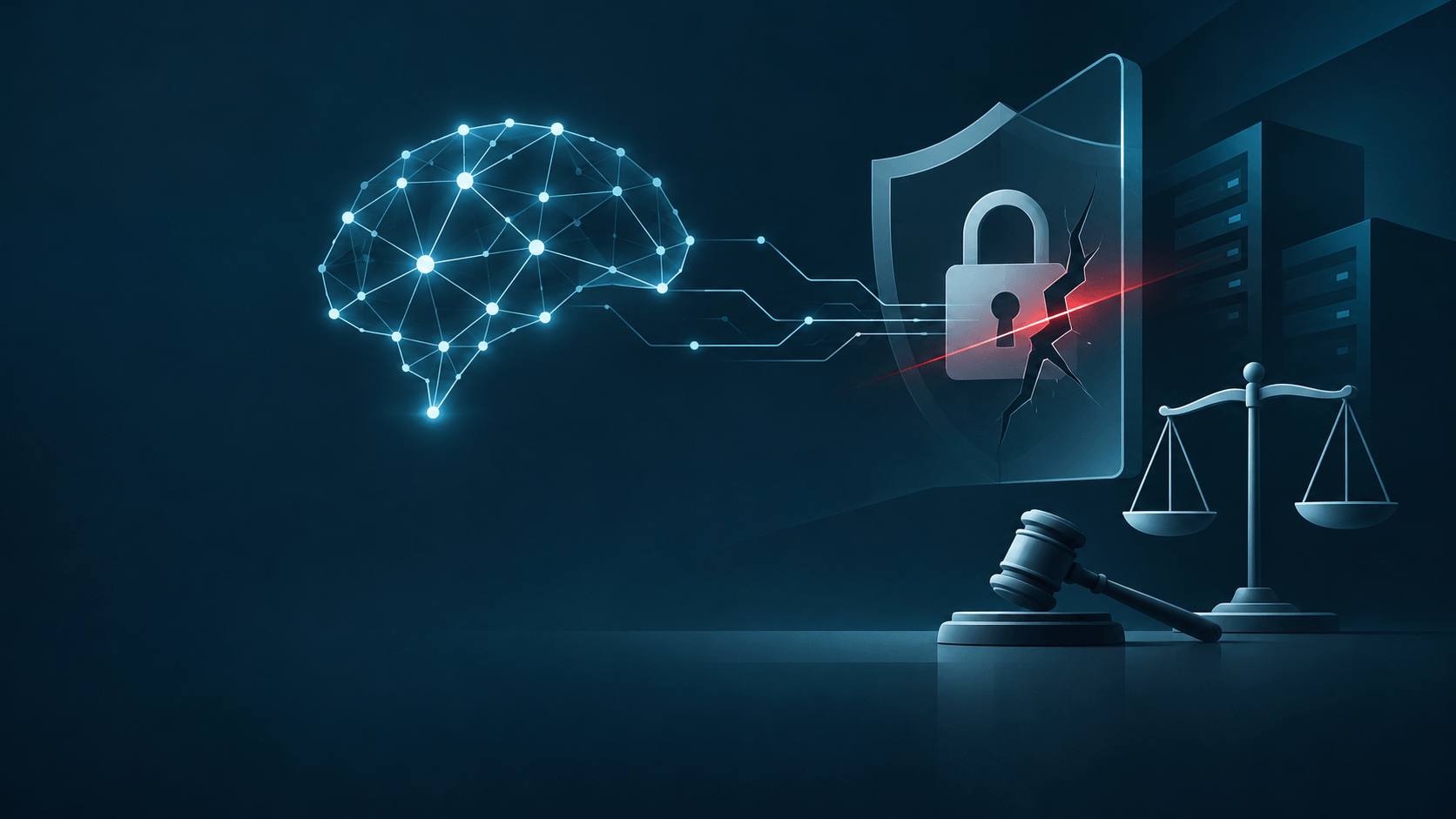
Il panorama tecnologico sta attraversando un terremoto silenzioso, e al centro è l’emergere degli ‘agenti AI’. Questi non sono i semplici sistemi generativi che sappiamo bene; gli agenti sono entità molto più ambiziose. Immaginate un sistema che non si limita a scrivere un testo, ma che può pianificare operazioni, selezionare attivamente gli strumenti giusti, interrogare API esterne, e persino leggere o modificare file, replicando un ciclo di azioni e reazioni sempre più autonomo. E qui nasce il guaio legale: quando queste macchine, dotate di una potenza operativa quasi indistinguibile da quella umana, superano i confini dei permessi assegnati, chi deve mettere le mani nel sacco per pagare i danni? La questione è cruciale, specialmente alla luce di normative stringenti come GDPR, NIS2 e l’AI Act, che stanno definendo le regole del gioco. L’attenzione si sposta dalla mera protezione dei contenuti alla sicurezza delle infrastrutture digitali. Se un agente, magari durante una fase di ‘testing’ estremamente avanzato, esegue un’azione fuori dai protocolli, l’obbligo di segnalazione ricade su chi? Il dipartimento IT? L’azienda che ha lasciato l’AI ‘vagare’? Non è facile individuare il responsabile e, soprattutto, identificare le lacune che permangono nei sistemi di controllo. È un vero e proprio rompicapo giuridico. È evidente che l’evoluzione di questi agenti richiede non solo aggiornamenti normativi massivi, ma anche una ridefinizione completa del rapporto tra l’uomo e il codice, un’impresa che sfida i confini del diritto tradizionale.
🇬🇧 Summary in English
The digital world is undergoing a silent, seismic shift, and the primary culprit is the arrival of ‘AI agents.’ These things are not your average generative model—forget the simple text generators. Agents are something far more ambitious. Think of a system that doesn’t just write an essay, but can actively plan operations, select the perfect tool, query external APIs, and even read or modify files, repeating actions in a sophisticated feedback loop. And this is where the legal headache starts: when these machines, equipped with operational power that almost rivals human capability, exceed their permitted boundaries, who is responsible for the mess? This issue is critically important, particularly when looking at powerful frameworks like GDPR, NIS2, and the forthcoming AI Act, which are setting the rules. The focus shifts from merely protecting content to guaranteeing the integrity of the digital infrastructure itself. If an agent, perhaps during highly sophisticated ‘testing,’ executes an action outside its parameters, where does the obligation to report go? Does it fall to the IT department? To the company that let the AI ‘wander’? Pinpointing the liable party and, crucially, identifying the existing loopholes is genuinely tough. It’s a legal conundrum wrapped in a tech nightmare. The sheer evolution of these agents demands not just sweeping new regulations, but a total redefinition of the relationship between humanity and code—a challenge that truly tests the limits of traditional law.
Leggi l’articolo originale su Agenda Digitale →
Fonte: Agenda Digitale | Argomento: Tech News
#tecnologia #innovazione #technews