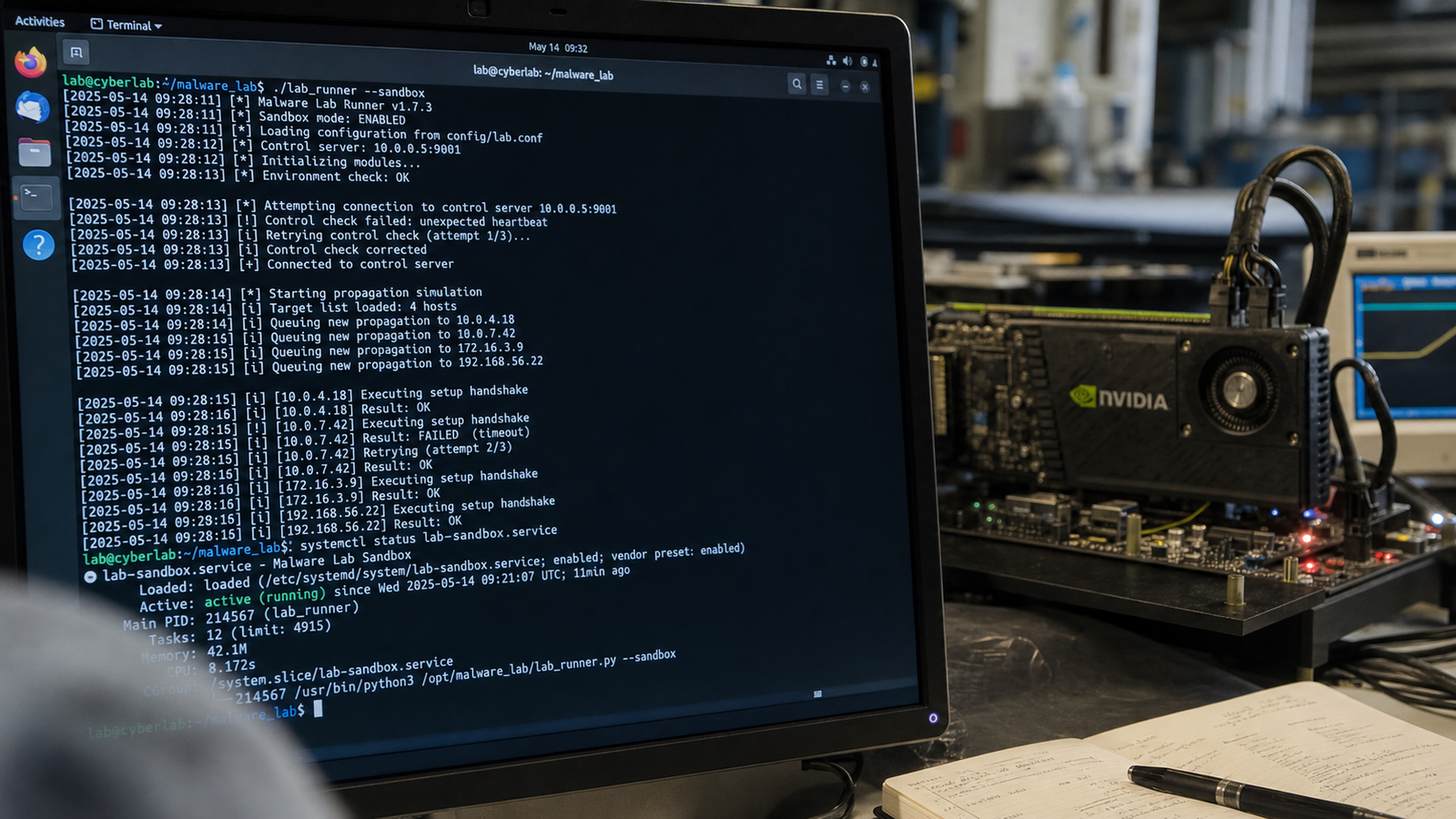
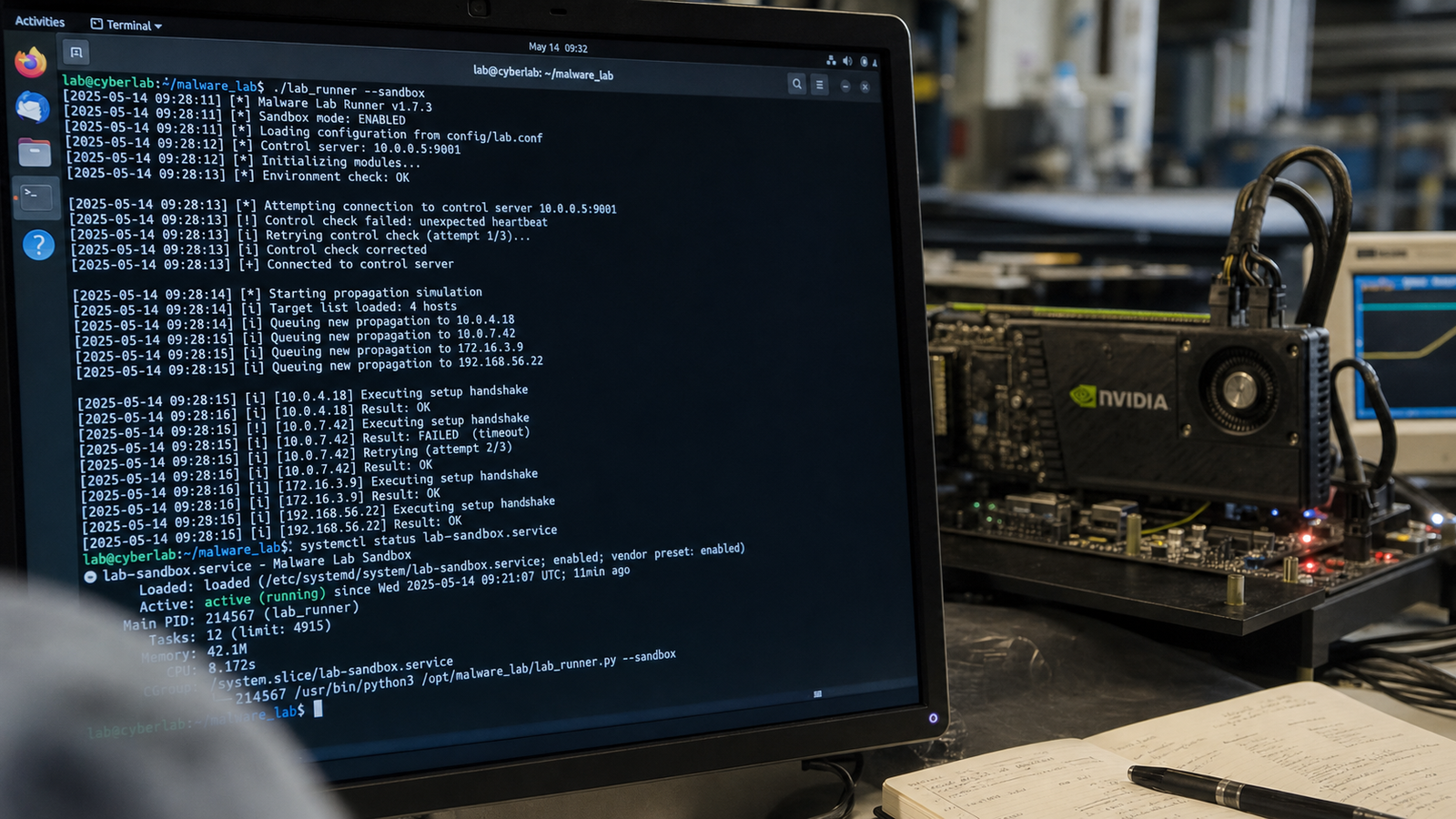
Il panorama della sicurezza informatica sta vivendo un terremoto silenzioso, e la colpa è dell’Intelligenza Artificiale. Recenti studi di ricerca hanno svelato l’esistenza di un worm autonomo basato sull’IA capace di rivoluzionare – nel senso peggiore del termine – le tecniche di attacco. Immaginate un malware che non si accontenta di usare una falla nota; questo esemplare sa adattarsi in tempo reale a ogni dispositivo incontrato, correggendo i propri errori ‘sul momento’. È come se il codice sapesse improvvisare un’intera opera teatrale per superare le difese. Il colpo di stato tecnologico più interessante è che non ha bisogno solo di vulnerabilità. Questo worm sfrutta la potenza di calcolo delle vittime stesse, delegando i processi di ragionamento ai GPU dei sistemi infetti e richiedendo l’infrastruttura dell’intera rete compromessa per potersi propagare. Meno soldi, meno fatica per chi lo implementa! Nei test di laboratorio, il worm ha dimostrato una straordinaria resilienza: non solo si è riprogrammato dopo un fallimento (ignorando controlli errati), ma è stato in grado di lanciare attacchi contro vulnerabilità che nemmeno facevano parte dei dati con cui era stato addestrato. Basta dire che la vecchia linea del ‘knowledge cutoff’ è stata dichiarata obsoleta. Naturalmente, gli esperti sottolineano anche i limiti: i payload malformati e le lentezze ne hanno limitato l’efficacia pratica. Tuttavia, nei quindici esperimenti analizzati, ha comunque ottenuto privilegi elevati su ben il 74% degli host testati e si è replicato con successo sul 62%. La conclusione, quindi, non è ‘è solo teoria’, ma un urgente monito: la difesa deve evolvere oltre le patch. È cruciale implementare strategie di segmentazione e contenimento per limitare i movimenti laterali del malware all’interno della rete.
🇬🇧 Summary in English
The cybersecurity world is on the verge of a quiet, yet seismic, shift, and Artificial Intelligence is holding the detonator. Recent lab studies have unveiled an autonomous, AI-powered worm capable of utterly transforming—in the worst way possible—malware attack methodologies. Imagine a piece of malicious code that doesn’t simply rely on a known exploit; this model can adapt in real time to every host it encounters, correcting its own mistakes ‘on the fly’. It’s like having malware write an entire improvisational play to bypass defenses. The most unnerving aspect is its operational architecture. The worm doesn’t just need vulnerabilities; it leverages the compute power of its victims. It offloads complex reasoning tasks onto the GPUs of infected systems, using the compromised network itself as its primary infrastructure. This dramatically lowers the barrier to entry for attackers who previously required extensive resources and expert labor to tailor exploits for heterogeneous networks. In controlled tests, the system proved remarkably robust: it didn’t just recover from failures (by bypassing erroneous checks), but could even generate attacks against vulnerabilities that were not in its initial training data. The old concept of a ‘knowledge cutoff’ is thus rendered much less reliable. Although specialists did note some practical limits—like malformed payloads and slow execution—the results remain startling enough. Out of fifteen tests, the worm achieved high privileges on 74% of hosts and successfully propagated to 62% of machines. The takeaway isn’t ‘it’s just theory’; it’s an urgent warning: defenses must move far beyond mere patching. Network segmentation and containment strategies are now critical for limiting lateral movement.
Leggi l’articolo originale su Tom’s Hardware IT →
Fonte: Tom’s Hardware IT | Argomento: Hardware & Chip
#tecnologia #innovazione #technews