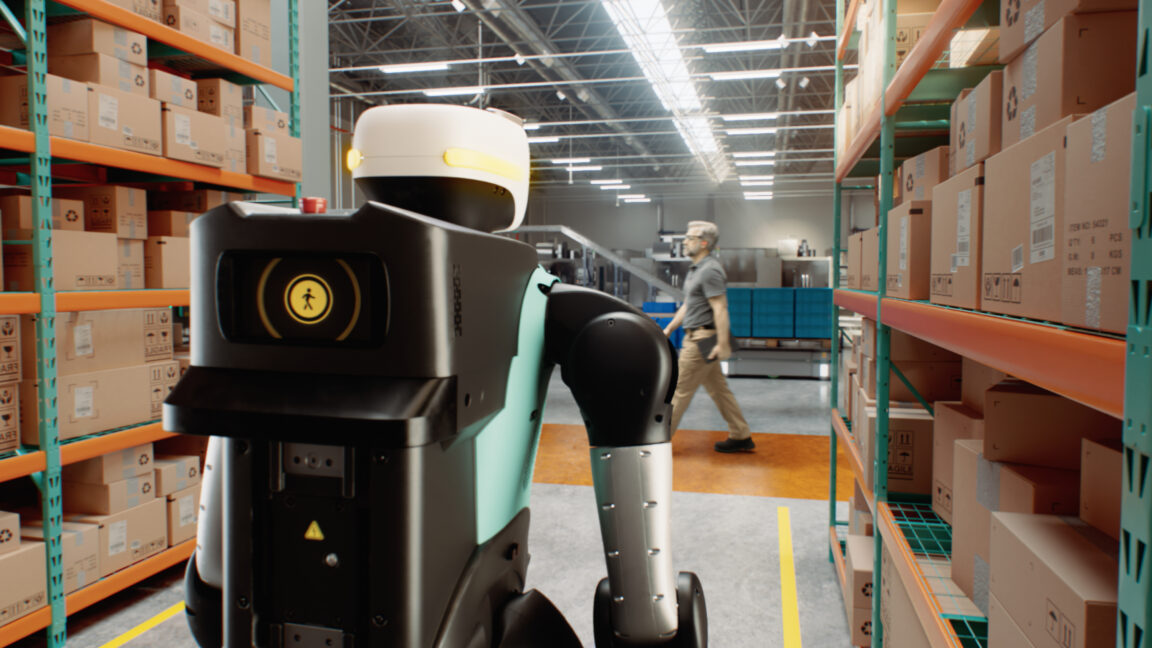
Non è più solo questione di data center e chip che scaldano il pianeta. Nvidia, l’impero delle mega-venture AI, sta lanciando un colosso di investimenti sui ‘robot’ e sul mondo fisico. Dopo aver affascinato il mercato con la potenza dei suoi processori, ora il gigante tech sta risolvendo il problema che tutti sapevano arrivare: la sicurezza. I robot e le auto a guida autonoma sono incredibilmente potenti, ma quando entrano in contatto con la vita reale, il rischio di incidenti fa da freno. Ed è qui che entra in gioco l’architettura Halos di Nvidia. Pensatela così: sviluppare un’intelligenza artificiale è un mestiere, ma farla muovere in sicurezza tra persone e oggetti lo è un altro. Per questo, Nvidia ha esteso il suo sistema di sicurezza di ultima generazione, prima usato per le auto senza conducente (AV), per i robot di ogni tipo. L’obiettivo? Sbloccare l’uso sicuro di bracci meccanici in fabbrica, di robot umanoidi che camminano in un magazzino, o persino di attrezzature chirurgiche. Come ammette Amit Goel, il capo dell’ecosistema robotico, ‘Ora i modelli AI stanno diventando capaci, l’hardware robotico sta diventando capace, e la sicurezza era ciò che pensavamo fosse il collo di bottiglia’. Questo approccio ‘full-stack’ è super intelligente: non si limita a un software di sicurezza. Include moduli hardware specifici, come il processore IGX Thor, che garantisce che sia il sistema operativo centrale che quello di sicurezza lavorino sullo stesso chip. Questo è fondamentale per garantire che, anche se i sistemi AI diventano sempre più complessi, ci sia sempre un guardrail super solido per evitare che la realtà fisica diventi un parco giochi troppo pericoloso. Nvidia sta puntando a far salire l’AI dai server ai ‘sogni’ meccanici, e la sicurezza è la chiave per non finire tutti in corsia di emergenza.
🇬🇧 Summary in English
If you think Nvidia’s big money bet is all about silicon chips powering data centers, think again. The AI behemoth is now aggressively pivoting into ‘physical AI’—the world of robotics, self-driving cars, and industrial machines. After dazzling investors with sheer processing power, the chipmaker is tackling the last, and perhaps biggest, hurdle: real-world safety. Developing an advanced AI model is a thing; making it interact safely with unpredictable humans and objects is another beast altogether. This massive pivot centers around the Halos safety system. Originally designed to manage risks in autonomous vehicles, Nvidia has cleverly extended this ‘full-stack’ architecture to encompass all physical robotics. The goal is straightforward but monumental: allowing safe, reliable deployment of everything from warehouse robots to humanoid workers walking around a factory floor, and even specialized surgical tools. As Amit Goel notes, the bottleneck isn’t capacity anymore; it’s control. ‘The AI models are getting capable, the robot hardware is getting capable, and safety is what we thought was the bottleneck.’ This sophisticated approach integrates safety directly into the hardware, featuring specialized modules like the IGX Thor processor. This setup is crucial because it mandates that the functional system and the safety system run simultaneously on the same silicon. In plain terms, it’s giving the robots not just brains, but a mandatory, built-in, physical sense of caution. By expanding from autonomous cars to generalized robotics, Nvidia is positioning itself as the essential safety backbone for the next generation of mechanized industrial revolution. It’s moving from selling compute power to selling confidence.
Leggi l’articolo originale su Ars Technica →
Fonte: Ars Technica | Argomento: Hardware & Chip
#tecnologia #innovazione #technews