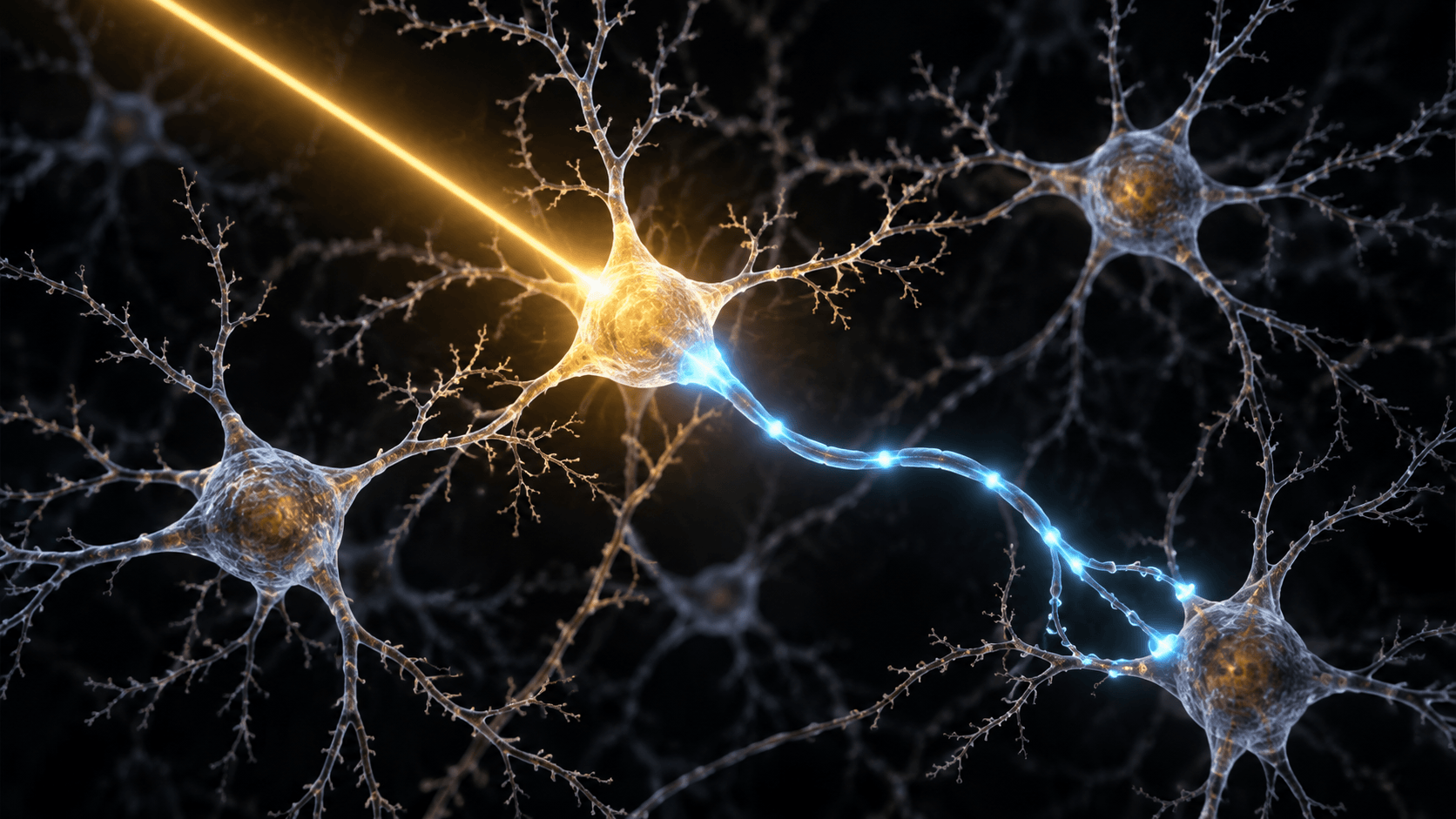
Il Nobel per la Medicina 2026 ha puntato i riflettori su un campo scientifico che sembra uscito da una film SF: l’optogenetica. Questo breakthrough non è solo una bella vetrina per i tre vincitori – Karl Deisseroth, Peter Hegemann e Georg Nagel – ma rappresenta un salto quantico nella comprensione del cervello. In sostanza, stiamo parlando di una tecnica rivoluzionaria che ha imparato a manipolare l’elettricità e l’informazione cellulare usando un mezzo inaspettato: la luce. Prima di questa invenzione, studiare i circuiti neurali era come tentare di mappare una biblioteca enorme solo con candele. Ora, gli scienziati hanno letteralmente aggiunto un interruttore a luce a ogni circuito. L’optogenetica sfrutta la combinazione tra ingegneria genetica e fisica luminosa per ‘accendere’ o ‘spegnere’ selettivamente l’attività di specifici neuroni. Questo permette ai ricercatori di indagare, con una precisione quasi chirurgica, come funzionano le malattie cerebrali, dai disturbi dell’umore alle patologie più complesse. È un trionfo che non solo ha premiato le menti brillanti, ma ha riprogrammato il futuro della neuroscienza. Se questo è lo stato dell’arte, immaginate dove arriveremo tra vent’anni. Il potenziale terapeutico è vastissimo e promette di trasformare l’approccio alle malattie del sistema nervoso, trasformando la luce non solo in un’energia, ma in un potente strumento medico.
🇬🇧 Summary in English
The Nobel Prize in Medicine 2026 has spotlighted a technology that sounds straight out of a sci-fi epic: optogenetics. This achievement isn’t just a shiny medal for the trio—Karl Deisseroth, Peter Hegemann, and Georg Nagel—it represents a massive leap in understanding the brain. Simply put, we’re talking about a revolutionary technique that learned to manipulate cellular electricity and information using a medium you’d least expect: light. Before this breakthrough, studying neural circuits was like trying to map a vast library using only candles. Now, scientists have essentially attached a light switch to every circuit. Optogenetics harnesses the sweet spot where genetic engineering meets physical light to selectively ‘switch on’ or ‘switch off’ specific neuronal activity. This allows researchers to investigate, with almost surgical precision, how brain diseases—from mood disorders to the most complex pathologies—actually function. It’s a triumph that has not only celebrated brilliant minds but has completely rewritten the playbook for neuroscience. If this is the current state-of-the-art, one can only imagine where things will be in twenty years. The therapeutic potential is enormous, promising to completely overhaul how we treat nervous system diseases. It turns light from merely an energy source into a powerful, targeted medical tool.
Leggi l’articolo originale su Agenda Digitale →
Fonte: Agenda Digitale | Argomento: Tech News
#tecnologia #innovazione #technews